Geriatric care services focus on the practical needs that can arise as people grow older. When a family is considering residential care, it is important to understand which needs can be supported within the facility and which require external medical professionals.
This distinction helps families form realistic expectations before admission.
Start With a Functional Assessment
A senior's ability to perform everyday activities provides useful information about the support required.
Families should consider mobility, personal hygiene, eating, toileting, medication routines and the ability to communicate when help is needed.
This functional picture can be more useful than age alone.
Understand Personal Care Support
Some seniors need help with bathing, dressing and grooming.
Ask whether such assistance is available and how frequently it can be provided. Personal care should respect privacy and dignity, particularly when residents need significant assistance.
Review Mobility Support
Reduced balance or strength may increase the difficulty of moving safely.
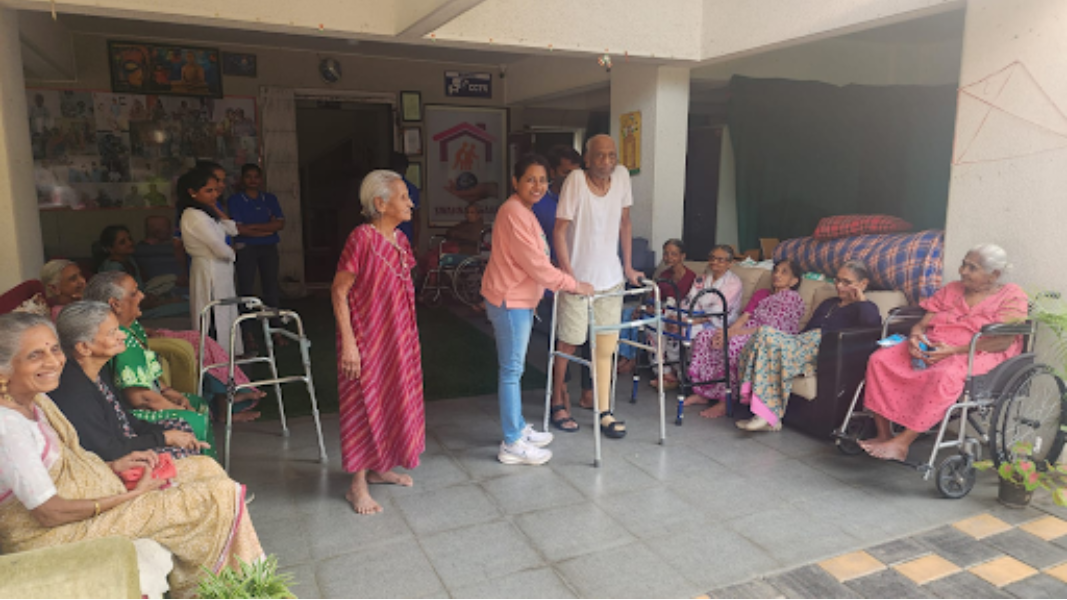
Discuss whether staff can assist with routine movement and whether the physical environment is suitable for walking aids or wheelchairs when required.
The facility should also know about any existing fall history.
Clarify Medication Procedures
Families should ask exactly how medicines are managed.
A residential care facility may provide reminders or assistance according to its service model, but diagnosis, prescription and medication changes remain medical matters.
Keep prescriptions updated and inform the provider whenever a treating doctor changes a medicine.
Discuss Nutrition
Older adults may experience changes in appetite and nutritional requirements.
Before admission, communicate known dietary instructions and understand the facility's meal arrangements. Regular hydration and meal schedules should also be discussed, particularly for seniors who previously needed reminders at home.
Ask About Medical Appointments
Residential geriatric support and clinical medical care are not identical.
Find out how residents attend doctor appointments and what happens when an urgent consultation becomes necessary. Families should also clarify their role in coordinating appointments, investigations and treatment decisions.
Consider Emotional Wellbeing
Aging can bring significant life changes, including retirement, bereavement, reduced mobility and separation from familiar surroundings.
Social interaction and a predictable routine can help residents remain engaged. Families should ask about activities, common spaces and opportunities for conversation.
Establish Communication Expectations
Before admission, decide who in the family will be the primary contact.
Provide current telephone numbers and understand when the facility contacts relatives. Clear communication is especially important if a resident's routine, mobility or general condition changes.
Families evaluating geriatric care services in Pune should discuss these points before selecting a residential arrangement.
Swarnanagari Old Age Homes can be considered by families seeking structured senior accommodation and everyday support in Pune. Suitability should be determined according to the senior's individual needs and the scope of services available.
Geriatric care works best when responsibilities are clear. Residential support, family involvement and professional medical care can each play different but complementary roles in helping an older person live more safely and comfortably.
Keywords