Deciding whether an elder care facility is necessary can be emotionally difficult. Many families want aging parents to remain at home for as long as possible, but home living is not always the safest or most sustainable arrangement.
Certain changes can indicate that it is time to evaluate residential care.
Daily Activities Are Becoming Difficult
Pay attention when routine tasks increasingly require assistance.
Examples include difficulty bathing, dressing, preparing food, walking around the house or maintaining personal hygiene.
One isolated difficulty may be manageable with home support. Multiple difficulties occurring together may indicate the need for a more structured care environment.
Falls Are Becoming a Concern
Repeated falls or near-falls deserve attention.
The senior may struggle with stairs, bathrooms or uneven flooring. If family members cannot provide regular supervision, a senior-friendly residential environment may become worth considering.
Falls can have medical causes, so appropriate professional evaluation should also be sought when needed.
Meals Have Become Irregular
Check whether the senior is eating consistently.
An older person living alone may skip meals because cooking feels exhausting or shopping has become difficult. Regular residential meal arrangements can reduce this everyday burden.
Medicines Are Frequently Missed
Medication schedules can become complicated.
If doses are repeatedly forgotten or taken incorrectly, families should discuss the situation with the senior's healthcare professional and determine what level of daily support is needed.
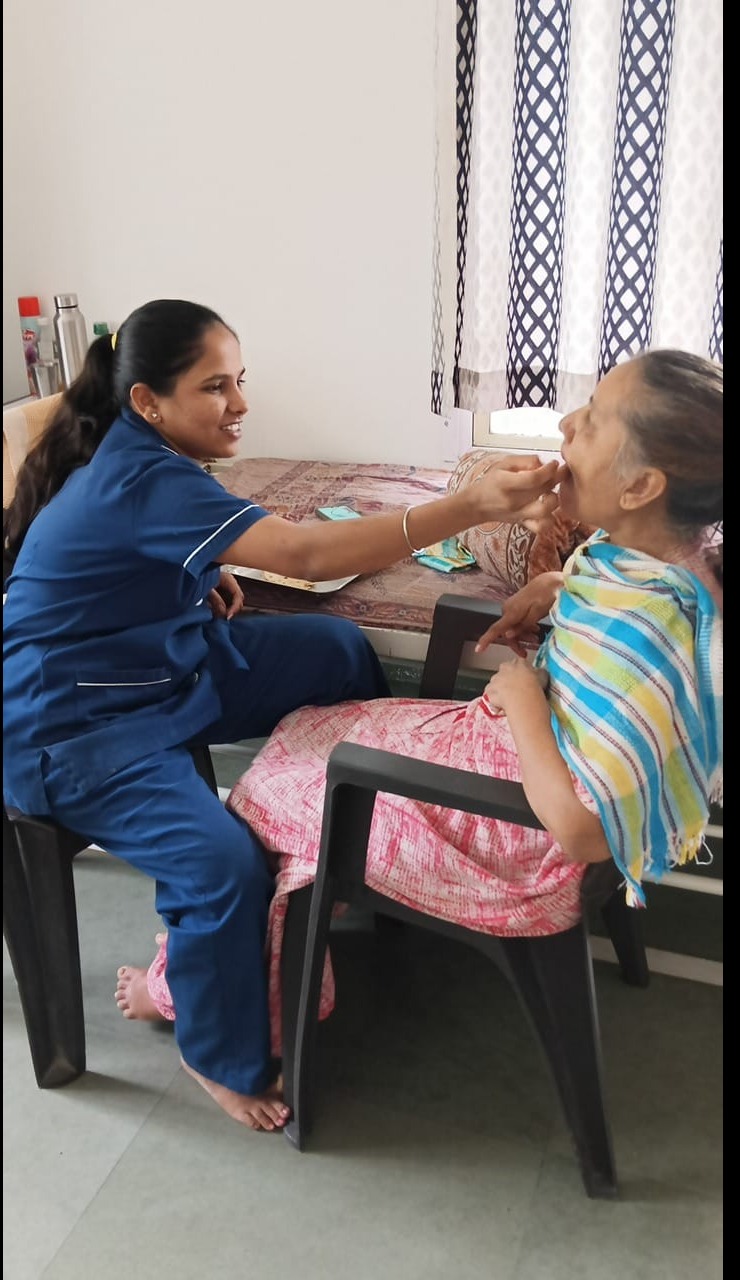
A residential setting may provide medication-related assistance according to its service scope.
Loneliness Is Affecting Daily Life
Physical independence does not necessarily mean living alone is ideal.
A senior may spend most of the day without meaningful conversation, particularly after retirement or the loss of a spouse.
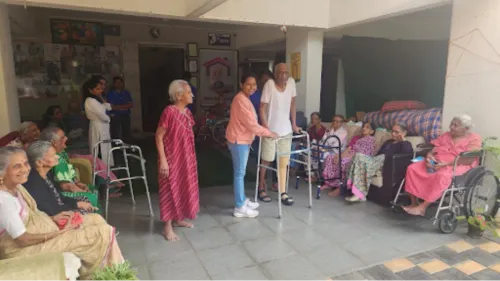
An elder care facility can provide opportunities for social interaction through shared meals, common spaces and organized activities.
Family Caregiving Is Becoming Unsustainable
Family members often provide extensive care out of responsibility and affection.
However, continuous caregiving can become difficult alongside employment, childcare and other responsibilities. Recognizing these practical limits is important when planning dependable long-term support.
Residential care can create a structured system rather than relying on one family member to be available at all times.
The Senior Feels Unsafe Alone
Sometimes the clearest indication comes directly from the older person.
They may feel anxious at night, worry about falling or no longer feel confident managing the household alone.
These concerns should be taken seriously even when no major incident has occurred.
Start Exploring Before an Emergency
Families do not need to wait for a crisis to visit an elder care facility.
Early evaluation provides time to compare accommodation, understand services, discuss finances and involve the senior in the decision.
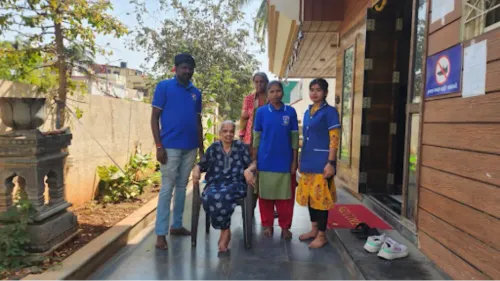
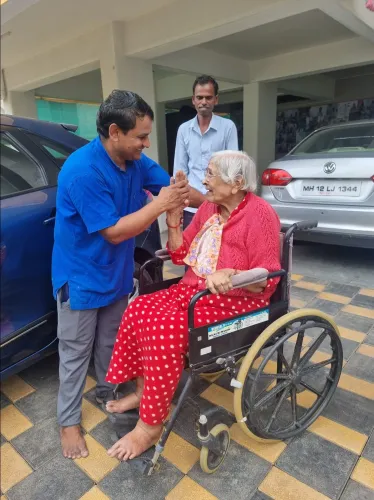
Swarnanagari Old Age Homes offers an elder care facility option for families in Pune who are assessing whether residential support is appropriate for an aging loved one. A personal visit can help families understand the environment and discuss individual care requirements.
The decision does not need to be based on a single sign. Look at the overall pattern of safety, independence, nutrition, social wellbeing and family caregiving capacity. When several areas become difficult simultaneously, exploring structured residential care can be a practical next step.
Keywords