
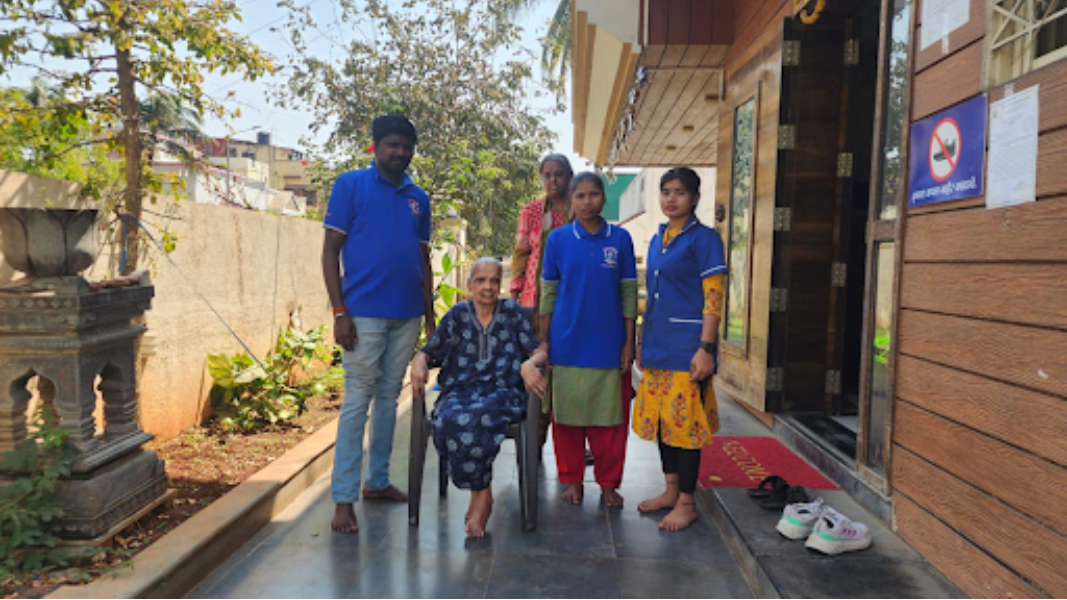
A senior assisted residence can become appropriate when an aging parent needs more daily support than family members can consistently provide at home. Choosing one requires more than searching for nearby accommodation.
Families need to understand whether the residence can realistically support the person's daily routine.
Identify Why Residential Care Is Needed
Start with the reason the family is considering assisted living.
Has the senior experienced repeated falls? Are meals becoming irregular? Is personal hygiene difficult? Are medicines frequently forgotten? Is loneliness becoming a concern?
Writing down these problems creates a practical list of requirements for comparing facilities.
Match Assistance With Actual Needs
Not every senior needs the same amount of help.
Some residents need assistance only with meals and housekeeping. Others may require support with bathing, dressing, walking and other activities.
Ask the provider to explain which services are routinely available and which requirements need separate arrangements.
Observe Staff Interaction
During a visit, pay attention to communication.
Senior care should preserve dignity. Staff should communicate respectfully rather than treating residents as passive recipients of care.
Observe how requests from existing residents are handled and whether the overall environment appears calm and organized.
Check Everyday Accessibility
Walk through the areas a resident would use regularly.
Look at:
- Bedroom accessibility
- Bathroom usability
- Walking spaces
- Dining areas
- Common rooms
- Stairs or level changes
- Lighting
- Entry and exit arrangements
Consider these features specifically from the perspective of your parent's mobility.
Understand Medical Coordination
A senior assisted residence is not automatically a hospital or nursing facility.
Families should understand what happens when medical attention is required. Ask about emergency response procedures, communication with relatives and arrangements for outside medical consultations.
If the parent has complex medical needs, discuss them openly before admission rather than assuming they can be managed.
Evaluate the Social Environment
A residence should support everyday human interaction.
Ask about group activities, celebrations and shared spaces. Social engagement may be particularly valuable for seniors who previously spent long periods alone at home.
Discuss Fees Transparently
Request clarity regarding regular fees and included services.
If additional assistance can result in extra charges, understand how these are calculated. Families planning long-term care need a realistic view of recurring expenses.
Arrange a Personal Visit With the Senior
Whenever practical, bring the prospective resident to see the facility.
Their reaction can reveal concerns that other family members may overlook. They may care about room privacy, food, accessibility or the atmosphere of common spaces.
Swarnanagari Old Age Homes provides a senior assisted residence option in Pune for families evaluating residential elderly care. A detailed conversation about the prospective resident's routine and assistance requirements can help determine whether the setting is appropriate.
Provider selection should ultimately answer one central question: can this environment support the senior's actual daily needs while treating them with respect?
When the answer is based on personal observation, transparent discussions and a realistic assessment of care requirements, families can make the transition with greater confidence.
Keywords