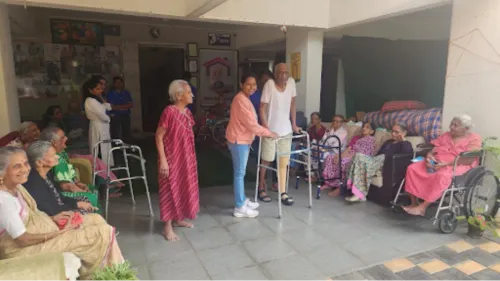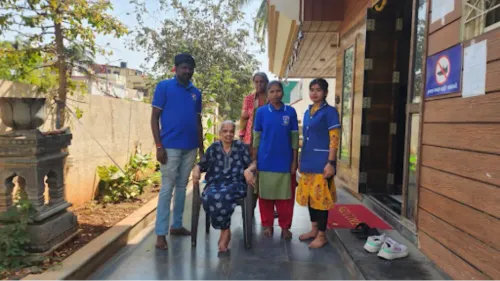

Selecting an assisted care home for a parent is a decision that deserves careful evaluation. Families are not simply choosing accommodation. They are choosing the environment in which an older person may eat, sleep, socialize and receive everyday assistance.
A structured evaluation can make the decision more objective.
Visit the Facility Personally
A personal visit can reveal details that photographs and descriptions cannot.
Observe the overall cleanliness, accessibility and atmosphere. Notice whether residents appear comfortable and whether staff communicate with them respectfully.
Rather than focusing only on reception areas, ask to understand the spaces residents actually use during the day.
Assess the Accommodation
Look at the room from the senior's perspective.
Can they move around comfortably? Is there sufficient lighting? Is the bathroom accessible? Is storage convenient? Will the room accommodate any mobility aid the resident uses?
Simple practical details often matter more than decorative finishes.
Understand What Assistance Is Available
The phrase assisted care can cover very different service levels.
Ask specifically whether support is available for:
- Bathing and grooming
- Dressing
- Walking
- Toileting
- Meals
- Medication routines
- Housekeeping
- Laundry
- Night-time assistance
Knowing the exact scope prevents misunderstandings after admission.
Ask About Meals
Meal arrangements deserve a detailed discussion.
Find out how many meals are provided, whether menus vary and how dietary instructions are communicated. If the senior has specific requirements recommended by a healthcare professional, discuss them before admission.
Examine Safety Arrangements
Look for senior-friendly infrastructure and ask about emergency procedures.
What happens if a resident falls? Who responds if someone becomes unwell during the night? How is the family informed? How is medical assistance arranged?
Clear answers indicate whether emergency responsibilities have been considered systematically.
Evaluate Social Life
Moving away from home can be emotionally difficult.
Ask about everyday activities and opportunities for residents to interact. Shared meals, conversations, television, reading, games and celebrations can help create a community rather than simply a residential building.
At the same time, seniors should have adequate personal space when they want privacy.
Discuss Family Visits
Regular contact with family can remain important after a senior moves into residential care.
Understand visiting arrangements and how families remain involved in the resident's life. A residential facility should ideally complement family relationships rather than create unnecessary distance.
Review Suitability Before Cost Alone
Price naturally matters, but the lowest fee does not necessarily represent the most appropriate arrangement.
Compare what is actually included. A facility offering basic accommodation may differ considerably from one providing regular personal assistance, meals, housekeeping and structured support.
Families searching for an assisted care home in Pune should compare services according to the parent's present requirements and likely future needs.
Swarnanagari Old Age Homes can be included when evaluating assisted residential care options in Pune. A facility visit and detailed discussion can help families determine whether its environment matches the senior's requirements.
Choosing carefully at the beginning can make the transition easier. Focus on safety, dignity, daily assistance, social wellbeing and communication rather than relying on appearance or price alone.
Keywords