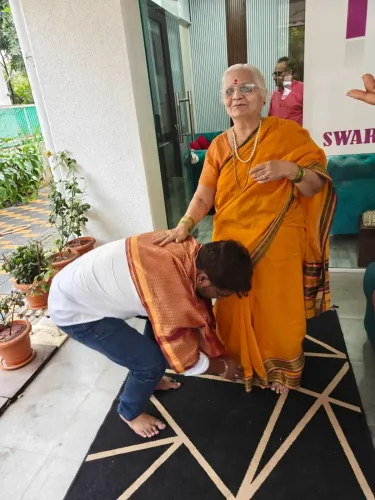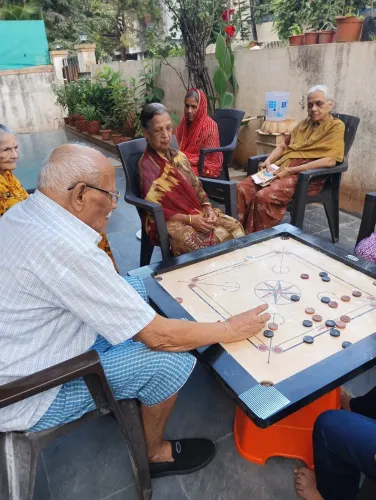
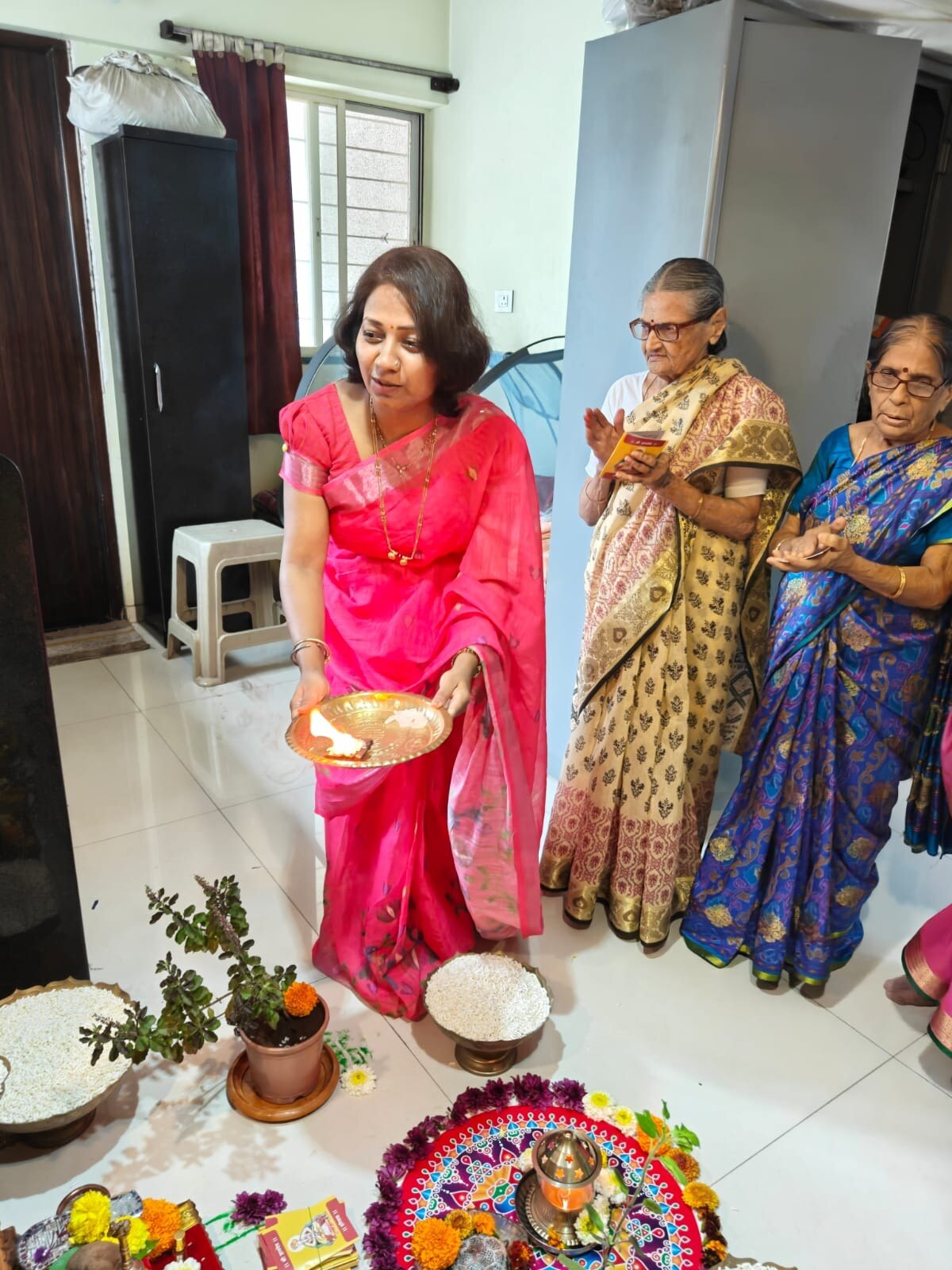
A busy activity calendar does not automatically give older adults better health, meaningful friendships or a sense of belonging. You need to examine how activities are designed, how residents are invited to participate, and whether the community supports relationships both inside and outside its campus. By the end, you will have a practical framework for comparing communities and deciding whether one suits the older adult’s needs.
Key takeaways
- Look for movement, social contact, purpose and personal choice in daily routines.
- Ask how activities are adapted for mobility, sensory and cognitive differences.
- Check whether staff support participation instead of merely recording attendance.
- Test the community while protecting your outside relationships and privacy.
What an Active and Connected Lifestyle Looks Like in Practice
An active lifestyle for seniors combines movement with purpose, choice and regular contact with other people. A programme can work toward 150 minutes of moderate aerobic activity each week, muscle-strengthening exercise on at least two days, and balance-focused activity on three or more days for residents with reduced mobility.
Staff must adapt senior exercise for frailty, arthritis, heart disease and dementia.
A retirement community should provide:
- Short walking groups, chair exercise, yoga, sit-to-stand practice, resistance-band work and supervised balance sessions
- Hobbies and learning for older adults, including arts, music, gardening, languages, technology, book discussions and practical classes
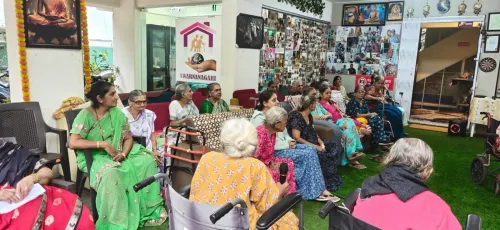
- Games, shared meals, discussion groups and resident committees that create repeated, low-pressure contact
- Outings, volunteering, family visits and resident-led activities that connect daily life with the wider community
- One-to-one or small-group alternatives for residents affected by hearing loss, low vision, fatigue, mobility limits or cognitive changes
A connected lifestyle depends on access, not just a busy calendar. Use large-print, high-contrast notices, hearing support and clear explanations in the languages residents use, such as Marathi, Hindi or English; confirm that each person understood the invitation. Peer welcomes, personal introductions and follow-up after a missed activity help turn attendance into relationships.
Review medicines after hospital discharge and when several prescribers are involved, because sedatives and some blood-pressure or hypoglycaemic medicines can affect balance, alertness or exercise tolerance. Track walking speed, timed sit-to-stand, falls, desired activities and assistance needed—not attendance alone.
How Activities Can Include Different Abilities
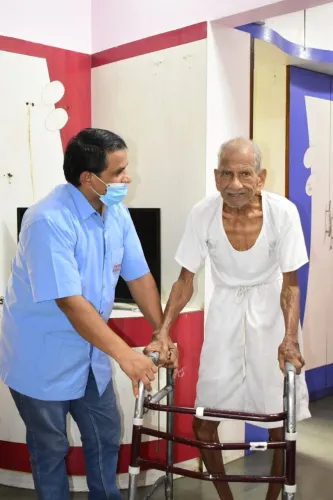
A safe activity programme changes the task, not the resident. Offer seated and standing versions of the same exercise, with clear demonstrations, rest periods and staff support for transfers, balance or fatigue.
Chair exercise suits residents who cannot walk safely for long. Walking groups can use short, shaded routes with benches, hydration and a slower option; during Pune’s heavy monsoon, provide well-drained paths or an indoor route. Senior yoga should allow chair-based poses and avoid positions that cause pain or dizziness.
Use this checklist before inviting someone to join:
- Check previous falls, gait, footwear, vision, blood pressure changes on standing, continence-related rushing, and medicines that cause sedation or dizziness.
- Reduce hearing barriers with small groups, face-to-face instructions, good lighting, written prompts and less background noise.
- Reduce vision barriers with high-contrast equipment, uncluttered floors, tactile cues and a guide for unfamiliar routes.
- Match dementia-friendly activities to familiar routines and past interests, such as watering plants, folding towels, preparing snacks or welcoming peers.
- Break activities into short sessions, repeat the same routine and accept participation without demanding a technically correct result.
Measure value through more than attendance. Track walking speed, timed sit-to-stand performance, falls and near-falls, desired activities completed, hospital transfers and changes in help needed for bathing, dressing or transfers. A resident who cannot join a class can still follow a meaningful individual plan.
How Staff Turn Attendance Into Real Participation
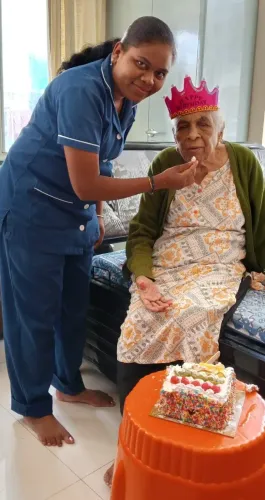
A personal invitation beats a noticeboard announcement. Staff can ask what the resident enjoyed before moving in, offer a short trial session and follow up the next day. A missed activity deserves a phone call or doorstep check, not an assumption that the person lacks interest.
Communication affects resident engagement. Send reminders in the language each resident and family actually uses, with large print, strong contrast, hearing support and a simple verbal explanation. Ask the resident to repeat the time and location so staff catch confusion before it becomes non-attendance.
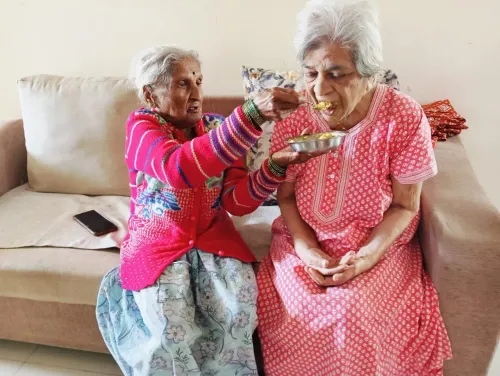
A buddy system for seniors gives a newcomer one familiar person to meet at the entrance and sit beside during the activity. Staff can introduce residents with shared interests, then support the relationship without forcing conversation. That is how senior community friendships develop beyond scheduled entertainment.
Give residents meaningful jobs, such as welcoming newcomers or caring for a communal space, and invite them to shape resident-led activities. For someone living with dementia, match the role to past interests and current ability; participation matters more than a perfect result.
Measure progress by return visits, involvement in preferred activities and functional change, not attendance alone. If a resident withdraws, check for pain, constipation, poor sleep, hearing loss, infection or an activity that is too difficult before calling it unwillingness. Review medicines with the treating clinician when sedation, confusion or falls interfere with participation.
How to Protect Outside Relationships, Privacy and Choice
Residents should be able to keep family contact for seniors on their own terms, not only during visiting hours. A visitor-friendly policy, private meeting space, reliable internet and staff help with smartphones make regular contact easier. Transport must also be simple to book, safe to board and available for temples, markets, libraries and former workplaces.
| Connection route | Practical support | Resident control |
|---|---|---|
| Family visits | Flexible visiting hours, accessible rooms and private seating | Choose the day, duration and setting |
| Video calls for older adults | A tablet, large display, charging point and help with passwords | Accept, postpone or end the call without pressure |
| Senior outings in Pune | Scheduled vehicles, escorts and step-free boarding | Select suitable trips and decline without losing access |
| Quiet time | Do-not-disturb signs, private rooms and protected rest periods | Pause activities and social visits when needed |
Privacy in retirement communities depends on more than a room door. Staff should ask before entering, explain who will receive health information and avoid discussing personal matters in dining rooms or corridors. Residents need control over guest access, photographs, phone calls and participation in group activities.
A weekly calendar can offer shared meals, small interest groups and one-to-one visits without making attendance compulsory. Ask whether transport can be booked for an individual appointment, whether family can join an outing and whether staff will support a resident who prefers a quiet afternoon. Choice is preserved when refusing an invitation carries no penalty.
How to Compare Communities and Test the Fit Before Moving
A useful retirement community comparison tests connection, not the size of the activity calendar. During your tour, ask to observe an ordinary weekday meal, walking group or interest session; a packed festival proves little if residents spend most days alone.
| Feature | Meaningful connection | Entertainment-only warning |
|---|---|---|
| Daily contact | Shared meals, small groups, peer welcomes and resident committees recur each week | Occasional parties dominate the calendar |
| Inclusion | Staff offer hearing-friendly rooms, mobility support, dementia-appropriate roles and one-to-one alternatives | Residents who cannot manage large gatherings are left out |
| Independence | Plans include prompting, setup or standby help before hands-on assistance | Staff routinely complete tasks residents could safely do |
| Results | The team tracks desired participation, falls, walking or sit-to-stand ability and assistance needed | Success means only counting attendance |
Ask these retirement community questions before deciding:
- Which groups meet weekly, and how do residents help choose or lead them?
- What happens after a resident misses an activity or struggles to join?
- Can you speak privately with two residents about friendships, not just facilities?
- How does the programme differ in independent living versus assisted living?
- Can a resident try a week before committing, and can family attend a session?
- What smaller options replace a noisy event for someone with hearing loss or dementia?
Visit at breakfast, mid-afternoon and evening. Compare the community with a senior day centre: does it create relationships through repeated contact, or merely fill scheduled hours? Swarnanagari Old Age Homes 9765119625 is worth assessing by asking how its care plan preserves safe participation rather than assuming nursing support equals social engagement.
Frequently asked questions
What does an active and connected lifestyle look like in a retirement community?
It combines regular movement, purposeful activities, personal choice and frequent contact with other residents, staff, family and friends.
How can activities include residents with different abilities?
Communities can offer seated, low-impact and balance-focused options, adjust instructions and equipment, and provide support without removing residents’ independence.
How do staff turn attendance into real participation?
Staff can learn residents’ interests, invite them personally, remove practical barriers and check whether an activity feels meaningful rather than counting attendance alone.
How can residents protect outside relationships, privacy and choice?
Ask about visiting arrangements, phone and internet access, private spaces, personal schedules, consent for support and the freedom to decline activities.
How can you compare communities and test the fit before moving?
Visit at different times, observe ordinary routines, join an activity, speak with residents and staff, and compare support, choice, social life and privacy arrangements.