
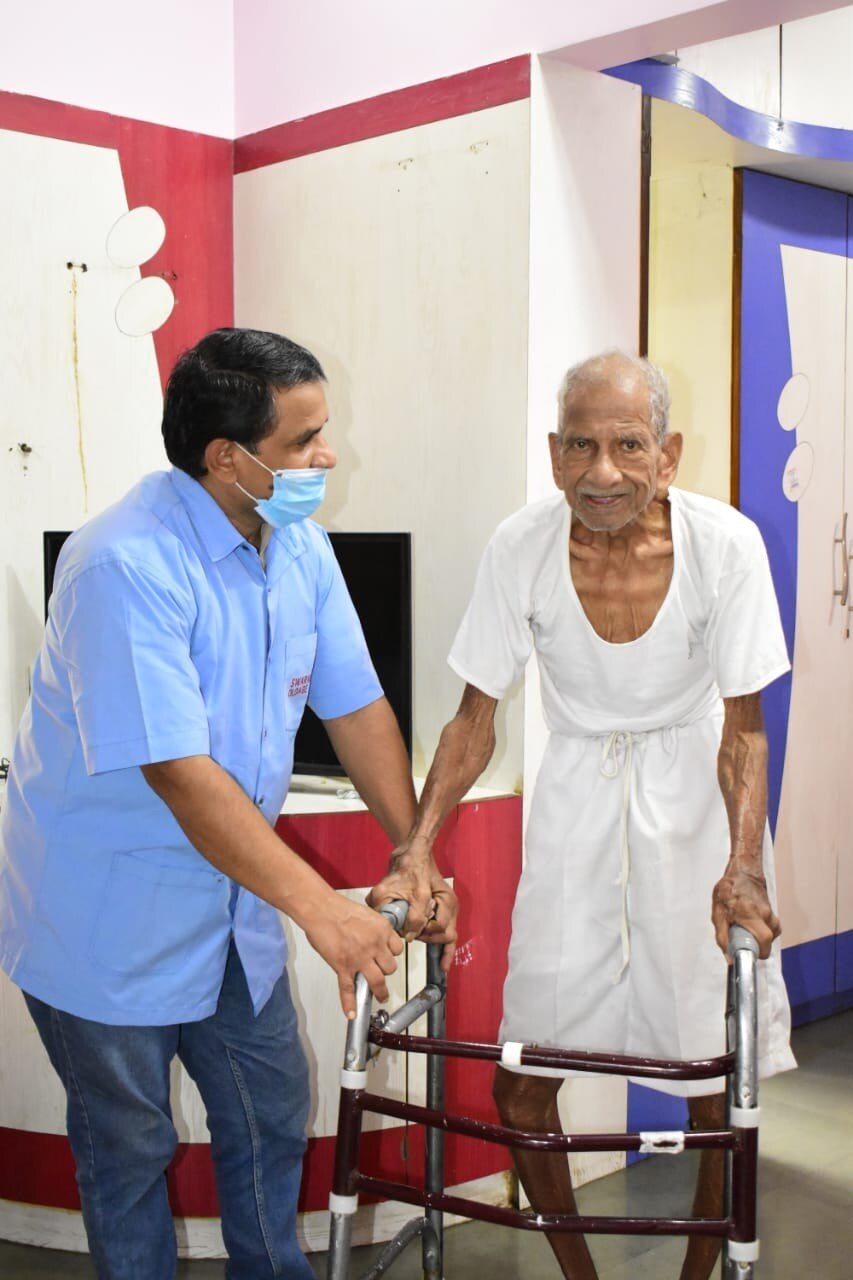
Families choosing senior care need to match daily assistance with actual health and safety needs, not rely on labels such as assisted living or 24-hour care. By the end, you will know what support to ask for, how to compare facilities, and which warning signs call for nursing or specialist care.
Key takeaways
- Ask for a written plan covering personal care, meals, medicines and outside clinicians.
- Match the care setting to mobility, medication and nursing needs—not room features alone.
- Compare staffing levels, emergency procedures, medication records and full monthly costs.
- Choose dementia care with structured routines, supervision and trained staff.
What Daily Senior Support Actually Includes
Daily support for seniors means practical help with personal care, movement, meals, medicines and routine activities, not merely a room and meals. The written service plan should say what staff do, what they only arrange, and what requires an outside clinician.
- Bathing assistance, including safe entry, washing, drying and checking for skin problems.
- Dressing assistance, including choosing suitable clothes and managing buttons, footwear or compression garments.
- Toileting and continence care, including scheduled toilet visits, pad changes, hygiene and disposal.
- Mobility support, including walking supervision, wheelchair use and safe transfers between the bed, chair and toilet.
- Meal support, including serving food, opening containers, cutting portions and monitoring fluid intake.
- Medication support, stating whether staff provide reminders, administer prescribed doses or only store medicines.
- Appointment assistance, including booking transport, accompanying the resident and sharing relevant care records.
- Light daily living help, such as tidying personal belongings and setting up glasses, hearing aids or mobility equipment.
Ask whether staff provide overnight observation and what happens after a fall, missed medicine, sudden confusion or refusal to eat. “24/7 care” can mean a caregiver is present while no doctor or registered nurse stays on site. Confirm the response arrangements.
Also obtain separate details for wound care, injections, catheter care, oxygen, feeding-tube care and complex transfers. A residence may provide daily personal support while arranging these clinical tasks through visiting professionals.
How Care Needs Are Assessed and Adjusted
A facility decides the level of help through a senior care assessment, not age or diagnosis alone. Staff observe what the resident can do safely, ask about daily routines, review medical records and medicines, and involve the resident and family in an individualized care plan.
The assessment should examine:
- Cognition, including memory, judgment and signs of confusion
- Mobility and transfers, including walking, standing and moving between bed and chair
- Nutrition, weight change, swallowing and ability to eat independently
- Vision and hearing
- Psychological wellbeing, mood and social interaction
- Toileting, continence, bathing, dressing and medication reminders
The plan must change when function changes. A fall should trigger investigation of gait, balance, footwear, vision, postural blood pressure, medicines and hazards in the room—not merely another handrail. Ask whether staff record the cause of each fall and update support afterward.
A sudden change in attention, behaviour or mobility needs prompt medical assessment; infection, dehydration, constipation, pain or medication effects can cause delirium and should not be dismissed as dementia progression. Ask which services are available for the new need, because visiting physiotherapy does not equal nursing, wound care or complex-transfer expertise.
Confirm who contacts the family, doctor or hospital when escalation is required.
Choosing Between Independent Living, Assisted Living and Nursing Care
Choose the least restrictive setting that still covers the person’s safety, daily tasks and medical needs.
| Option | What it means | When it applies |
|---|---|---|
| Independent living | Private accommodation with meals, housekeeping or social activities; the resident manages bathing, toileting, medicines and emergencies | The person walks safely, makes decisions and needs little supervision |
| Assisted living | Staff help with dressing, bathing, toileting, continence care, meals, transfers, medication administration and appointments | The person remains socially and mentally engaged but cannot complete some daily activities reliably |
| Skilled nursing | 24-hour clinical oversight from licensed nurses, with treatment and monitoring for complex conditions | The person needs wound care, injections, catheter or feeding-tube care, oxygen, complex transfers, frequent medical review or recovery after hospitalisation |
Assisted living is a poor fit when repeated falls, wandering, pressure sores, swallowing difficulty, uncontrolled symptoms or frequent hospital visits exceed the residence’s clinical capacity. Ask for a written service list; accommodation and meals do not prove that nurses provide wound care or overnight observation.
Home care versus residential care depends on supervision and the home environment. Home care suits someone who is safe between visits and has a reliable household support system. Residential care provides continuous staff presence, but moving in can reduce privacy and require clear agreements about consent, visitors, leave, discharge and access to records.
A sudden change in alertness, behaviour or mobility needs prompt medical assessment for delirium, not an automatic diagnosis of dementia progression.
How to Compare Safety, Staffing, Medication and Total Costs
Before paying, verify who is present at 2 a.m., what happens after a fall, and which hospital receives residents. A 24-hour nursing verification must identify an on-site nurse, not just a phone number. Ask for overnight response times, registered nurse qualifications, medication administration records, and the emergency escalation pathway.
Swarnanagari Old Age Homes 9765119625 is worth comparing on these same documented details, not on the phrase “24-hour care.”
Ask the facility to show:
- The written care list: bathing, toileting, feeding, transfers, wound care, injections, catheter care and oxygen support.
- Staff numbers by shift, overnight supervision, nurse registration details, and whether physiotherapists or doctors are employees or visiting professionals.
- The admission medication reconciliation, including prescriptions, over-the-counter drugs, supplements, allergies and actual doses.
- Fall records showing the cause, corrective action and revised care plan, including checks for gait, vision, footwear, postural hypotension and hazards.
- The complete fee sheet, including deposits, hospital transport, consumables, therapy, one-to-one care, incontinence supplies and annual increases.
| Area | Verify | Warning sign |
|---|---|---|
| Safety | Fall assessment, alarms, emergency drills and hospital route | Handrails presented as the entire fall plan |
| Staffing | Shift roster, overnight response and professional attendance frequency | “24/7 care” without named night staff |
| Medication | Administration records, missed-dose process and pharmacist or doctor review | Staff give medicines from unlabelled boxes |
| Total cost | Monthly fee plus excluded services and exit terms | A low headline price with clinical charges added later |
Related products
 | Old Age Care Assisted living facilities offer supportive housing for older adults who are mostly independent and active but may need some help with daily tasks. View product → |
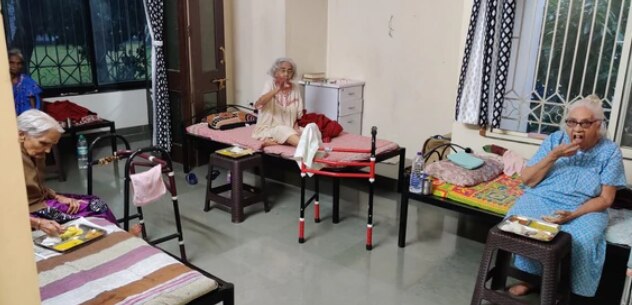 | Old Age Care Our retirement homes offer more than just a place to live—they provide a supportive environment that combines healthcare, psychological support, and... View product → |
What Dementia-Specific Care Looks Like in Daily Practice
A facility provides dementia-specific care when staff adapt daily routines to each resident rather than simply watching people in a locked room. Ask to see an individual plan covering communication preferences, known triggers, abilities and meaningful activities. Person-centred dementia care preserves choice while reducing avoidable distress.
Look for practical answers to these questions:
- How does staff prevent wandering? Expect supervised walks, familiar routes, clear signage, good lighting and secure exits, not routine sedation or unnecessary restraint.
- What happens during nighttime agitation, refusal of care or incontinence? Staff should describe calm communication, privacy, scheduled toileting and an escalation plan.
- How are falls investigated? The record should identify factors such as poor balance, unsuitable footwear, medication effects, vision problems or hazards, then show a changed care plan.
- Can the unit support swallowing difficulty, weight loss, dehydration, aggression or delirium as needs progress?
- What training do staff receive in dementia communication and behavioural support?
Observe one ordinary activity. Staff should explain what they are doing, offer simple choices, allow extra time and avoid arguing over confused statements. A resident who is distressed should not be dismissed as “difficult.”
Ask to review anonymised care-plan updates and incident records. A unit that records wandering, falls, distress and refusal, investigates causes and adjusts support demonstrates active care; a promise of “24-hour supervision” alone does not.
Frequently asked questions
What does daily support for seniors include?
It can include help with personal care, movement, meals, medicines and routine activities. Ask which tasks staff perform, which they arrange, and which require an outside clinician.
How are senior care needs assessed and adjusted?
Assess mobility, personal care, medication, meals, cognition and health needs. Review the written service plan when these needs change and update staff responsibilities.
How do independent living, assisted living and nursing care differ?
Independent living suits seniors who manage most daily tasks. Assisted living adds regular personal and practical support. Nursing care is appropriate when ongoing clinical monitoring or skilled nursing is required.
What should you compare when choosing a senior care service?
Compare safety measures, staffing, medication procedures, emergency arrangements, included services and total costs. Check what the monthly fee excludes and what outside care costs extra.
What does dementia-specific care involve?
Dementia care uses predictable routines, supervision, support with daily activities and staff who understand changing cognition, behaviour and safety risks.
Related products
 | Old Age Care Dementia is not a single, specific illness but a broad term used to describe a range of symptoms that affect memory, thinking, and social abilities... View product → |
 | Old Age Care Facilities within Charges: 24hrs Nursing 24hrs Attended Service Housekeeping and Laundry Breakfast, Tea, Lunch, High Tea, Snacks, Dinner... View product → |