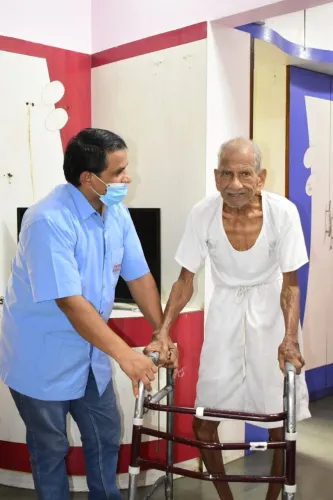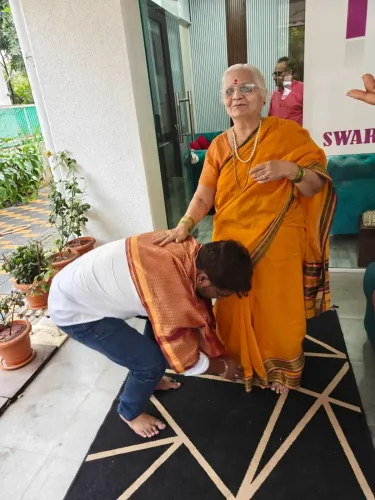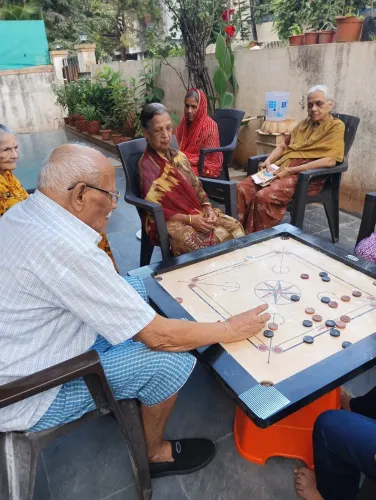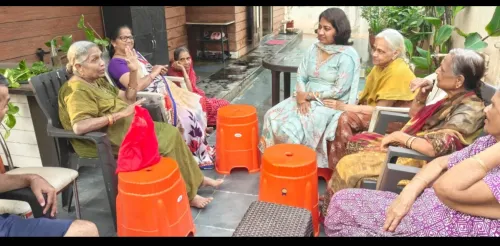
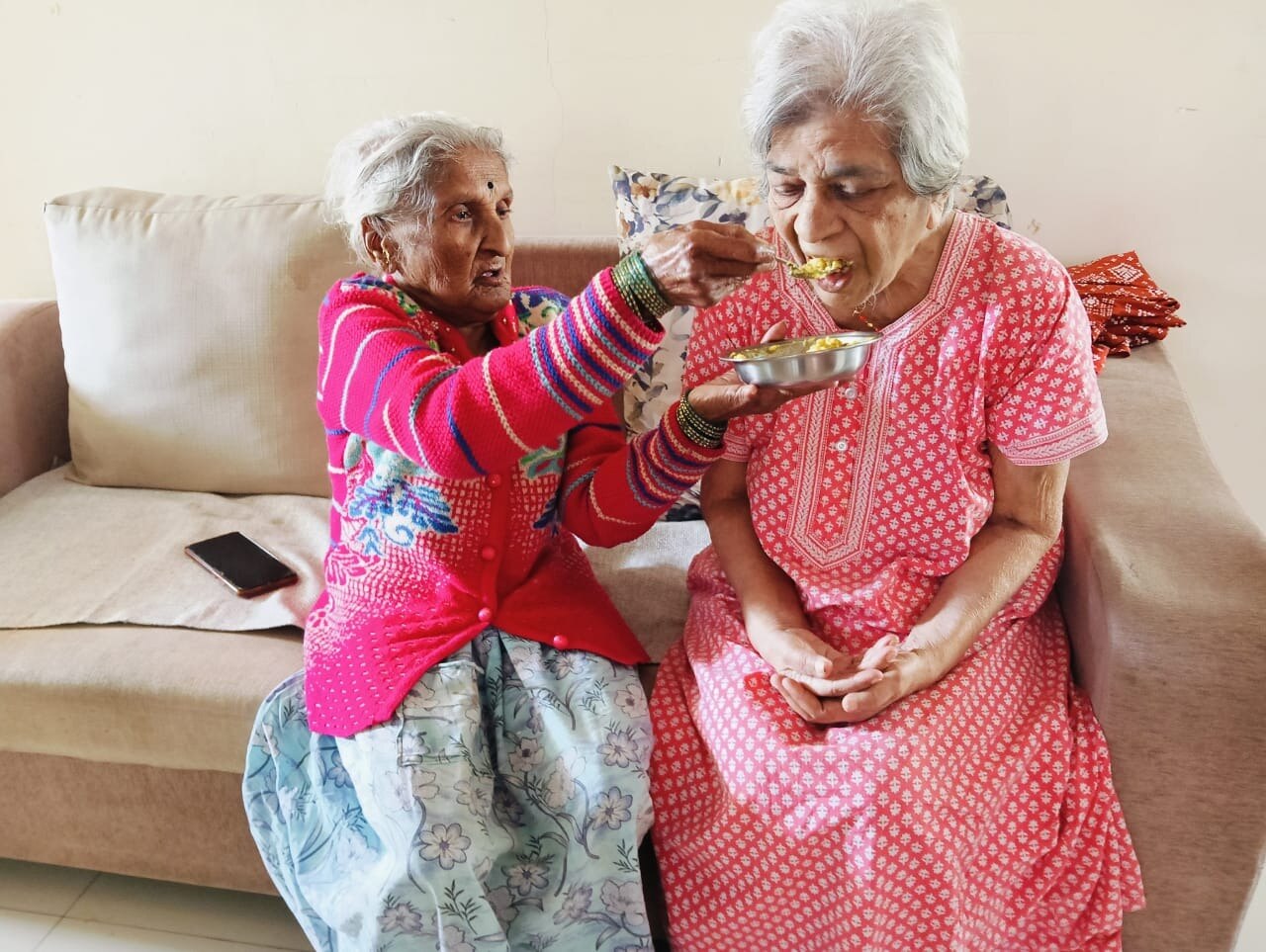
Independent living works best when a senior can manage everyday decisions and basic personal care but still benefits from practical support, safer surroundings and reliable backup. By assessing functional ability, protecting familiar routines and comparing the effort of home life with community living, you can decide whether the arrangement supports freedom rather than quietly replacing it.
Key takeaways
- Judge independence by daily function, not age.
- Map bathing, meals, medicines, transport, and finances before moving.
- Keep familiar routines by recreating schedules, belongings, and local connections.
- Choose support that protects safety without taking control away.
What Independent Living Means—and When It Fits
Age alone does not determine the right setting. Independent living for seniors means managing basic activities of daily living, such as bathing, dressing, toileting and transferring, without routine hands-on help, while handling instrumental activities of daily living with reliable judgment.
The living alone versus independent living distinction is practical: one offers no built-in support, while the other may include services that protect your time and safety.
| Option | What it means | When it fits |
|---|---|---|
| Living alone at home | You manage the home and arrange every service yourself, with help from family or paid workers when available. | You can summon help and handle daily risks without relying on constant supervision. |
| Independent living | You live in private accommodation and manage personal care, medicines and routine decisions; meals, transport, housekeeping, maintenance and emergency response may be available. | You remain mobile, organised and safe without routine hands-on assistance. |
| Assisted living | Staff provide scheduled or occasional help with personal care and household tasks. | You need help with bathing, dressing, medication prompts or similar tasks. |
| Nursing care | Clinicians provide regular monitoring and hands-on care for complex medical or physical needs. | You require ongoing clinical oversight, wound care, transfers or extensive assistance. |
| Memory care | The setting provides dementia-focused supervision, structured activity and secure access. | Wandering, unsafe cooking, getting lost or impaired judgment creates a persistent safety risk. |
Independent living fits when you take medicines correctly, move safely, manage emergencies and make sound decisions. Repeated falls, missed medicines, unsafe cooking, inability to toilet safely or rapidly worsening confusion require reassessment; sudden confusion needs medical evaluation for delirium, infection, dehydration or a drug effect.
How to Keep Your Existing Routine After a Move
Keep the parts of your senior daily routine that give the day its shape: your waking time, morning walk, prayer, newspaper, meals, hobbies and bedtime. Independent living should add convenience without replacing these habits with a fixed timetable.
Before moving, write down your preferred meal times, exercise level, social activities, foods, quiet hours and weekly commitments. Share this profile with the community team and ask how resident choice works for meals, outings, visitors, housekeeping and wellness checks. Person-centred care means adapting support to your established habits, not treating every resident alike.
Use this procedure to protect your active senior lifestyle:
1. Mark the non-negotiables. Keep regular medical appointments, religious practices, exercise sessions and contact with friends on your calendar.
2. Recreate familiar cues. Place your own clock, photographs, books, chair, music or kitchen items where you will see and use them daily.
3. Choose support by task. Accept help with laundry, transport or maintenance while keeping control of cooking, clothing, spending and leisure when you can manage them safely.
4. Review exercise with a qualified professional. Strength, balance and walking practice support mobility, but arthritis, neuropathy, Parkinson’s disease or recent surgery calls for an adapted plan.
5. Reassess monthly. If medication, transport or appointments become difficult, request targeted help before a small disruption erodes your independence.
The Safety Check: Freedom Depends on Function, Not Age
Age does not decide suitability; function does. Independent living remains appropriate when you manage bathing, dressing, toileting, eating, transfers, medication management, cooking, transport, finances and appointments without routine hands-on assistance, and can summon help during an emergency.
| Ability that supports independence | Warning sign needing more support |
|---|---|
| Safe walking, transfers and stairs | Repeated falls, unsafe gait or inability to reach the bathroom |
| Reliable medication management | Missed doses, double doses or confusion about essential medicines |
| Sound judgment with cooking and appliances | Leaving burners on, burns or unsafe food handling |
| Knowing where you are and how to seek help | Wandering in older adults, getting lost or leaving the building unsafely |
| Independent toileting and hygiene | Inability to toilet, bathe or dress safely |
| Stable thinking and behaviour | Rapid confusion, aggression, delirium or repeated hospital visits |
Arrange a senior safety assessment when function changes, after a fall or before moving. Ask a geriatric clinician or occupational therapist to review gait and balance, vision, hearing, cognition, mood, continence, nutrition and the home environment.
A pharmacist or clinician should review prescriptions, over-the-counter medicines and supplements after a fall, acute confusion or decline; sedating or blood-pressure-lowering drugs can increase fall risk. Rapid confusion needs medical evaluation for infection, dehydration or a drug effect, not an automatic assumption of dementia progression. Strength and balance training can protect mobility when individually adapted.
Restricting movement is not the only answer: improve lighting, remove loose rugs and add grab bars first.
Home or Community Living: Compare the Work Behind the Freedom
A quiet house is not a low-work option: you still arrange meals, repairs, transport, medicines, appointments and emergency help. Compare who performs each task, how quickly help arrives and what happens when your abilities change.
| Option | Independence and responsibilities | Safety arrangements |
|---|---|---|
| Staying at home | You control your schedule and familiar routines, but you coordinate cooking, cleaning, maintenance, medicines, finances, transport and check-ins. Family or paid carers must cover gaps. | You need a working phone or alert device, accessible bathroom, fall-proof pathways and a named person who can respond. Delayed help after a fall is the main risk. |
| Independent-living community | You retain personal choices while the community may handle meals, housekeeping, maintenance, activities, transport and wellness checks. You still manage basic daily activities and decisions. | Staff coverage, call bells, check-ins and emergency response for seniors reduce isolation, but nursing presence is not a hospital. Assessment, testing, specialist review or admission may still be necessary. |
Use this facility comparison checklist during a senior housing comparison, including when reviewing an independent living community Pune:
- Ask about overnight nursing, doctor-on-call arrangements, medication administration and escalation to Pune hospitals.
- Request staff-to-resident coverage by shift, fall and medication-incident reporting, care-plan review frequency and the process for reassessing instrumental tasks.
- Confirm total charges, transport limits, visiting rules and the conditions requiring transfer to higher care.
- Ask Swarnanagari Old Age Homes 9765119625 how family members are contacted during an emergency and who coordinates hospital communication.
Related product
 | Old Age Care Assisted living facilities offer supportive housing for older adults who are mostly independent and active but may need some help with daily tasks. View product → |
A Low-Stress Plan for Moving Without Losing Independence
A move is easier to manage when you test the new setting before ending the old arrangement. Ask for a short-term trial stay, if available, and use it to check sleep, meals, noise, privacy, walking distances and access to help.
Use this senior relocation checklist:
- Write down your daily timetable, including wake-up time, exercise, religious practice, hobbies, meals and preferred shopping days.
- Test the route to the clinic, pharmacy, bank and grocery shop. Confirm accessible transport, booking times and backup options for bad weather.
- Give your doctor and pharmacy the new address, emergency contact and move date. Arrange transferring prescriptions, confirm refill quantities and carry a current medicine list with doses.
- Request copies of diagnoses, allergies, recent test results, vaccination records and advance-care documents. Give the receiving clinic permission to obtain missing records.
- Label boxes by room and priority. Pack seven days of medicines, toiletries, glasses, chargers, walking aids and familiar bedding separately.
- Set a written review date after two and six weeks. Reassess falls, missed medicines, fatigue, loneliness and whether the new routine still feels manageable.
Senior move planning works best when one person owns each task and a second person checks completion. Do not cancel your current home, transport or medical arrangements until the new system has worked for several days. If the trial exposes repeated confusion, unsafe mobility or missed medication, pause the move and request a clinical assessment.
Frequently asked questions
What does independent living mean for seniors?
Independent living means managing bathing, dressing, toileting, transferring, and everyday decisions without routine hands-on help.
How can you preserve your routine after moving?
Write down your current schedule, keep familiar belongings accessible, and arrange meals, activities, transport, and social contact around established habits.
How do you assess whether independent living is safe?
Review daily activities and instrumental tasks such as medication management, cooking, shopping, transport, finances, and emergency judgment.
Is independent living at home better than community living?
Compare the work behind each option, including maintenance, meals, safety changes, transport, social contact, and access to help when needs change.
How can you move without losing independence?
Plan gradually, involve the senior in each decision, test the new setting, label essential items, and arrange support before moving day.