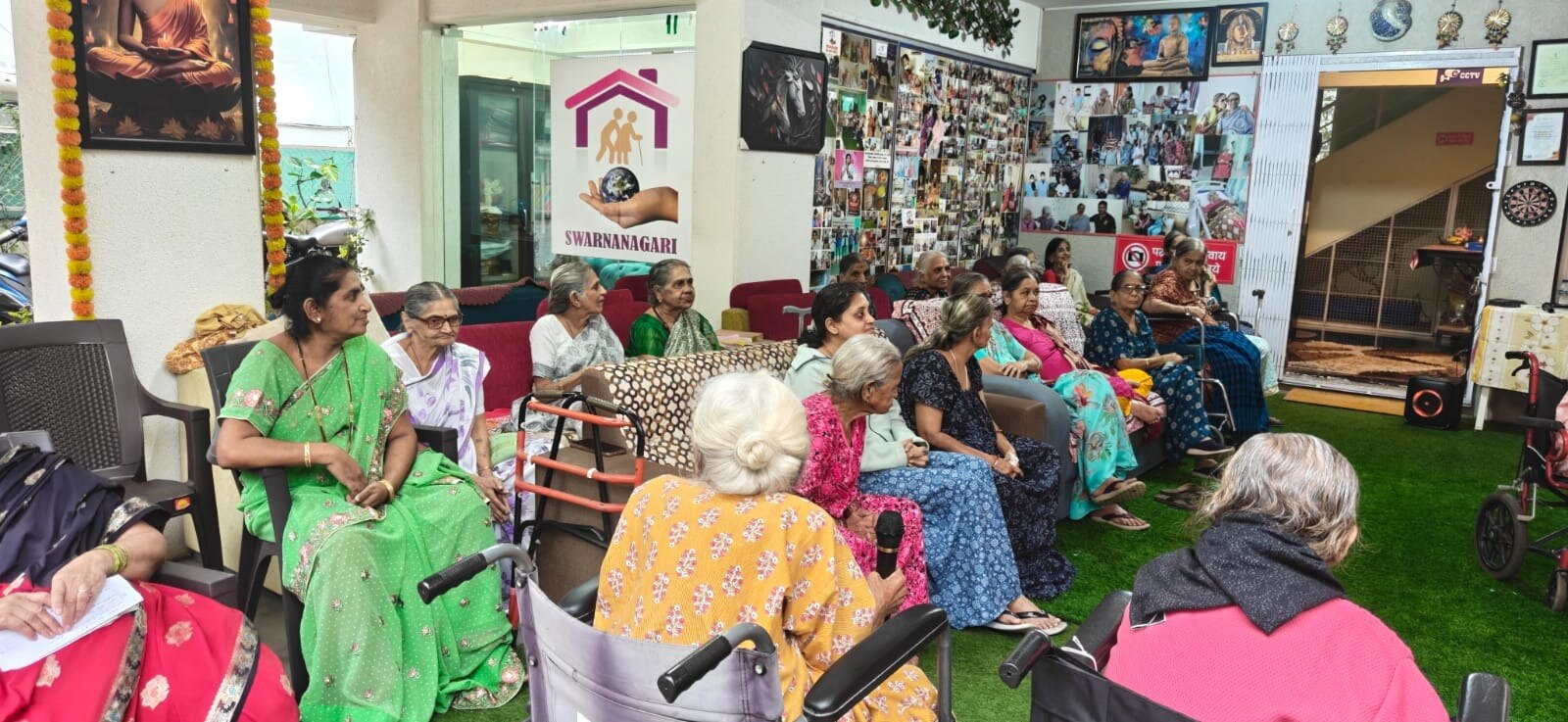
A comfortable room does not prove that an elderly accommodation facility can prevent falls, manage medicines, respond to emergencies or support a resident whose needs change. Use the checklist below to inspect the building, verify care in person, match the facility to the resident’s dependency level and compare the true cost before signing an agreement.
Key takeaways
- Walk the bedroom-to-bathroom route at night and test emergency call buttons.
- Confirm trained staff cover overnight hours and provide hands-on assistance.
- Ask to see medication, nutrition, health-monitoring and hospital-transfer procedures.
- Match the care contract to changing mobility, dementia and nursing needs.
Inspect the Building for Everyday and Dementia Safety
A safe building must protect a frail or cognitively impaired resident during ordinary routines, not just display a clean reception area. Check elderly accommodation safety by walking the route from bedroom to toilet, dining room and garden at night, then ask staff to demonstrate the emergency call buttons and response procedure.
- Look for handrails and non-slip flooring that remains safe when wet, reachable bathroom grab rails, a level or ramped shower entry, adequate night lighting and a clear toilet route.
- Check that beds are at a suitable height and chairs have arms; ask whether each resident receives an individualised falls and mobility assessment.
- Test reachable light switches, call bells, lift access, smoke alarms and backup power. Ask how staff evacuate wheelchair users, oxygen-dependent residents and people who sleep through alarms, including at night.
- For dementia care, inspect controlled exits, door and lift safeguards, visible way-finding signs, reduced glare and noise, a quiet room and a safe walking loop. Ask for the missing-person search procedure; locking someone in a bedroom is not a safety plan.
- Ask how many staff are physically present overnight, whether a registered nurse is on site, and how they respond when two residents need help together.
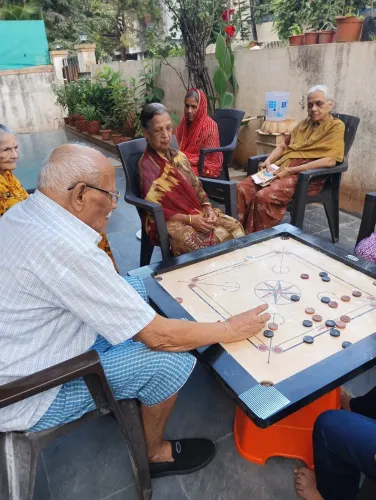
A safe design also supports function and social life: shaded outdoor access, seating with arms and activities adapted for hearing, vision and dementia. Check hand-hygiene stations, cleaning schedules, equipment cleaning between users and the plan for isolating a resident with respiratory or gastrointestinal symptoms without abandoning routine care.
Verify Staffing, Night Coverage and Hands-On Support
A daytime tour proves little if the resident needs help at 2 a.m. Ask for the roster for day, night, weekend and holiday shifts, then compare the nurse-to-resident ratio and attendant-to-resident ratio with the residents’ actual dependency levels.
Ask these questions before accepting a care plan:
- How many nurses, attendants and supervisors are physically present during the night shift?
- Is a registered nurse on site overnight, or only available by phone?
- Who responds if two residents need help at the same time?
- Can staff provide two-person transfers, toileting, bathing, continence care and feeding assistance?
- Which nursing care qualifications do the nurses hold, and who provides dementia-specific supervision?
- How quickly does a call for help receive an in-person response?
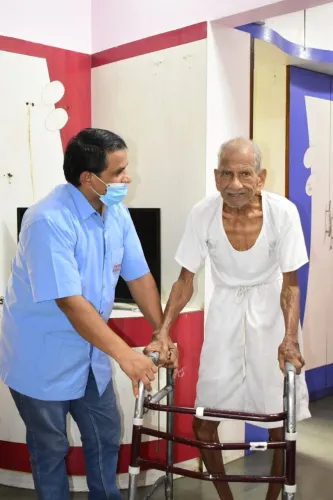
Watch staff assist a resident rather than relying on promises. A resident who needs a hoist, wheelchair transfer or walking support can be injured by one attendant working alone. Staff should clean their hands between residents and clean shared mobility equipment between uses.
Check whether night staff can evacuate residents who use wheelchairs, cannot walk, depend on oxygen or sleep through alarms. Ask where dependent residents assemble and whether drills include them.
Finally, observe mealtime support. Confirm that staff recognise choking, dehydration and swallowing difficulty, and can arrange texture-modified food or specialist assessment when required. A facility suited to independent residents is not automatically equipped for 24-hour dementia or nursing care.
Test Medication, Nutrition and Health-Monitoring Systems
A safe facility combines documented medication management with daily observation, nutrition checks and a clear route to clinical help. It should know each resident’s normal mobility, alertness, appetite, continence, breathing and communication before deciding that a change is “just ageing.”
Ask these questions during your visit:
- Does staff verify the resident, medicine, dose, route and time before administration, then record it on a medication chart? Ask how they handle allergies, missed doses, controlled medicines and prescriptions changed after hospital discharge.
- Who supervises insulin and oxygen care? Ask whether staff record blood-glucose readings, recognise hypoglycaemia, check oxygen equipment and tubing, and know when to contact a clinician.
- How does the team manage swallowing support? Look for texture-modified meals, upright positioning, supervised feeding and referral to a speech and language therapist when coughing, choking or wet-sounding speech appears.
- Which measurements trigger escalation? The answer should cover temperature, pulse, blood pressure, oxygen saturation, blood glucose, fluid intake and weight, plus sudden sleepiness, agitation, falls, incontinence or appetite loss.
- What is the infection prevention programme? Check hand-hygiene points, cleaning records for shared mobility equipment, vaccination support, laundry separation, and procedures for respiratory or gastrointestinal symptoms, including isolation or transfer without abandoning routine care.
Ask to see an anonymised care-plan review and the clinician-escalation pathway. Staff should notify family about significant changes, document the response and update the plan after illness, injury or hospitalisation. If the facility cannot explain who acts overnight, it is not monitoring; it is waiting.
Demand a Clear Emergency and Hospital-Transfer Procedure
Ask to see the written emergency response plan before admission. It must name who assesses the resident, who calls the 112 emergency number India, the ambulance arrangements, the receiving hospitals, and the staff member who accompanies the resident. It must also explain how family consent is handled when delay could endanger the resident.
1. After a fall, staff check consciousness, pain, bleeding and movement without lifting a resident with possible head, neck or hip injury. They call emergency services for suspected fracture, head impact or inability to stand.
2. For facial drooping, arm weakness or speech trouble, staff record the last known well time and arrange immediate stroke assessment. They do not wait for symptoms to improve.
3. For chest pain or severe breathlessness, staff stop activity, check vital signs, provide prescribed emergency treatment, and call an ambulance. They do not send the resident by private car.
4. During severe hypoglycaemia, staff follow the individual glucose protocol. They give fast sugar only if the resident can swallow safely, use prescribed glucagon if trained, and give nothing by mouth to an unconscious or choking resident.
5. Sudden confusion, unusual sleepiness, new incontinence or agitation triggers checks for infection, dehydration, low oxygen, glucose problems and medication effects, followed by clinician escalation rather than dismissal as dementia.
The transfer packet must include the care plan, baseline cognition and mobility, allergies, diagnoses, medication list, recent observations, consent details and hospital transfer documentation. Ask who informs you, when updates occur, and how discharge instructions return to the facility.
Match the Care Model to the Contract and the Resident’s Future Needs
A low monthly fee is meaningless if the resident’s needs trigger nursing, equipment or transfer charges. Match the setting to today’s abilities and the likely next stage, then record the answer in the elderly care contract.
| Option | Best fit | Check before paying |
|---|---|---|
| Assisted living | Mostly independent resident needing daily-task support | Read the assisted living admission criteria and exclusion rules |
| Nursing care | Two-person transfers, feeding, incontinence, oxygen, insulin or wound care | Confirm 24-hour nursing, supplies and dependency-based fees |
| Memory care | Wandering, aggression, disorientation or continuous supervision | Examine the dementia care model, secured areas and behaviour support |
| Rehabilitation | Recovery after fracture, stroke or hospitalisation | Confirm physiotherapy frequency, goals and discharge destination |
| Home care | A safe home with dependable family or paid support | Price visits, night cover, equipment and emergency response |
| Hospital treatment | Chest pain, breathing difficulty, severe infection, stroke signs or unstable symptoms | Use emergency services, not residential admission |
Ask when care-level fees rise, whether the resident can be asked to move, and which charges cover doctor reviews, physiotherapy, diapers, medicines, special diets, equipment, electricity, ambulance transfers and hospital accompaniment. Include refundable deposits and fee-increase dates.
Before admission, request an anonymised care plan review showing mobility, continence, cognition, diet, communication, sleep, preferences and advance-care wishes. Swarnanagari Old Age Homes 9765119625 should answer these contract and escalation questions in writing, not rely on a tour conversation.
Related products
 | Old Age Care Assisted living facilities offer supportive housing for older adults who are mostly independent and active but may need some help with daily tasks. View product → |
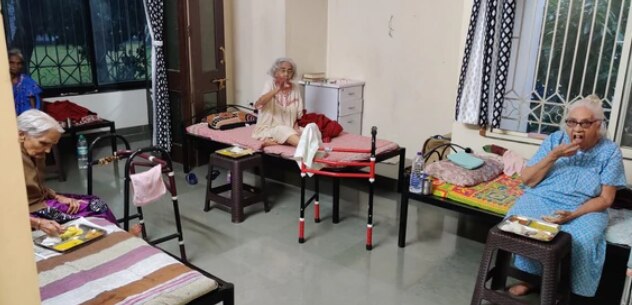 | Old Age Care Our retirement homes offer more than just a place to live—they provide a supportive environment that combines healthcare, psychological support, and... View product → |
Frequently asked questions
How can you inspect elderly accommodation for everyday and dementia safety?
Walk the routes to the toilet, dining room and garden at night. Check lighting, non-slip floors, handrails, clear exits, secure doors and working emergency call buttons.
What should you verify about staffing and night coverage?
Ask how many staff members are present overnight, who responds to calls, response times, staff training and whether they can provide bathing, toileting, transfers and mobility assistance.
Which medication, nutrition and health-monitoring systems should you check?
Ask who administers medicines, how doses are recorded, how missed doses are handled, how meals meet medical diets, and how staff record vital signs, weight and health changes.
What should an emergency and hospital-transfer procedure include?
Request the written escalation procedure, emergency contacts, ambulance arrangements, hospital preferences, medical records process, family notification steps and post-discharge support plan.
How do you match the care model to a resident’s future needs?
Compare the contract’s included services, extra charges and care limits with likely changes in mobility, dementia, nursing and hospital support. Ask when reassessment occurs and what happens if needs exceed the service.
Related products
 | Old Age Care Facilities within Charges: 24hrs Nursing 24hrs Attended Service Housekeeping and Laundry Breakfast, Tea, Lunch, High Tea, Snacks, Dinner... View product → |
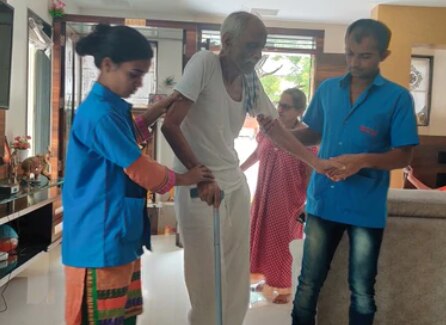 | Old Age Care Dementia is not a single, specific illness but a broad term used to describe a range of symptoms that affect memory, thinking, and social abilities... View product → |