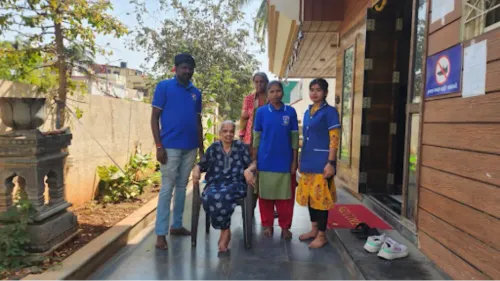
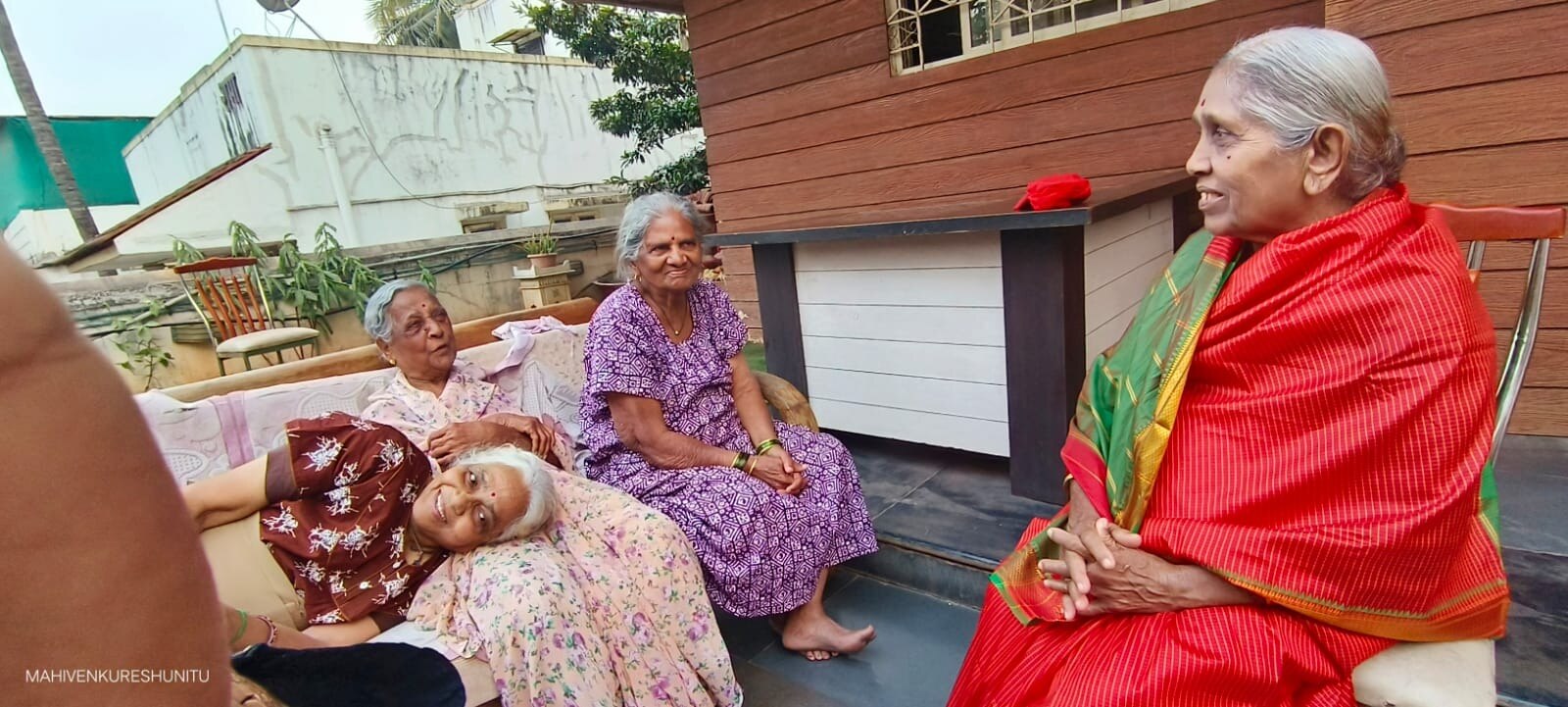
A comfortable residence does more than provide a room, meals and activities: it shapes lighting, routines, supervision and social opportunities around each resident’s abilities. By the end, you will know how to judge everyday comfort, identify genuine safety practices, match care needs to the right setting and compare communities before admission.
Key takeaways
- Keep clear routes between the bed, wardrobe and bathroom.
- Choose chairs with arms and bathrooms with practical support features.
- Match care plans to mobility, medication and cognitive needs.
- Inspect routines, emergency procedures and activities before deciding.
What creates physical comfort beyond the room itself?
Physical comfort comes from reducing small daily obstacles, not from a bedroom alone. A practical bedroom layout leaves a clear route between the bed, wardrobe and bathroom, with a chair that has arms for sitting and standing.
Staff also adjust temperature control, mattress support and clothing choices to the resident’s preferences rather than imposing one routine on everyone.
A useful comfort check includes:
- Bathroom access: Keep the toilet close, well marked and usable at night without a long route or difficult door.
- Seating: Provide firm chairs with arms in bedrooms, corridors and common areas, so residents do not have to remain in bed.
- Lighting and glare reduction: Use even light, shaded windows and night-lights that reveal obstacles without disturbing sleep.
- Noise management: Place bedrooms away from kitchens, lifts and television areas, and set quiet hours for overnight rest.
- Personal belongings: Keep familiar photographs, a favourite chair, books or religious items within easy reach.
Routines complete the design. Offer consistent meal times, rest periods and bathing choices, while allowing the resident to choose clothing, food, activities and visitors when they can express that choice. A comfort plan should record preferred sleep times, room temperature, pain signals, continence needs and communication style.
Review it after illness, weight change or altered mobility; a layout that worked at admission can become tiring or frustrating later.
How is resident safety managed during ordinary moments?
Safety should be visible during routine movement, not only during an emergency drill. A useful tour follows the resident’s actual day and checks whether staff prevent hazards before an incident occurs.
- A fall-risk assessment records gait, balance, previous falls, postural blood pressure, vision, footwear, continence-related rushing and medicines. Staff then document actions such as strength-and-balance exercise or medication review.
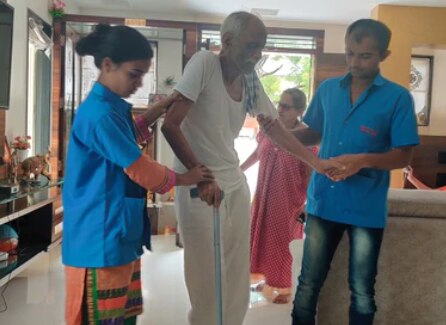
- Bedrooms and bathrooms have unobstructed, well-lit routes, non-slip flooring that remains safe when wet, stable chairs, and grab bars positioned for transfers.
- Emergency call systems work from the bed and toilet. Ask staff to demonstrate them, then observe whether a call produces a prompt, trained response rather than a silent alarm.
- Medication administration begins with reconciliation of every prescription, over-the-counter medicine and supplement. Reviews cover dose, side effects and continued need; staff record missed or refused doses and escalate errors.
- Dementia-friendly safety uses clear landmarks, readable signs, short routes and safe outdoor access. Exit alerts or discreet monitoring should be proportionate, documented and reviewed instead of relying on blanket locked-door restrictions.
Ask to see anonymised records for falls, injuries, medication errors, hospital transfers and call-bell response times. Also ask how fire evacuation, night checks and wandering incidents are handled, who is notified, and how the resident’s consent and refusal of care are documented.
A community that cannot explain its reporting and review process is offering reassurance, not a measurable safety system.
How do you match a resident’s needs to the right level of care?
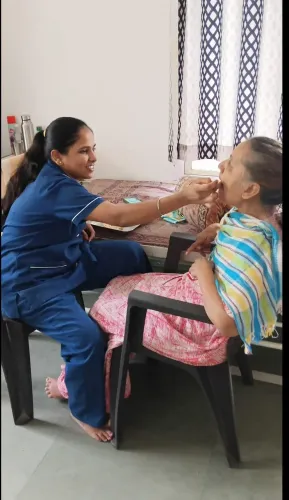
Start with a written care assessment, not a service label. Match the resident’s mobility, continence, cognition, behaviour, medication complexity, bathing needs, night-time supervision and ability to join routines against the staffing and clinical capability available.
| Level | What it means | When it applies |
|---|---|---|
| Supervision | Prompts, observation and safety checks | The resident is independent but forgetful or at risk of wandering |
| Attendant support | Help with bathing, dressing, toileting, meals or transfers | Physical assistance is needed without regular clinical intervention |
| Assisted living | Accommodation plus daily support, medication coordination and planned monitoring | The resident needs help with routines but is medically stable |
| Nursing care | Regular nurse-led monitoring, treatments and escalation | Wounds, injections, continence complications or complex medicines require clinical oversight |
| Home nursing | A nurse visits the person’s home for agreed tasks | Care is time-limited and the home can safely support the resident |
| Hospital-level treatment | Continuous diagnostics, acute treatment and rapid physician response | Severe breathlessness, sepsis, uncontrolled bleeding, repeated falls with injury or unstable confusion occurs |
1. Ask whether a registered nurse is present on every shift, where the doctor works, and whether fees cover transfers, oxygen, night checks, hospital escorts and ambulance transport.
2. Request the written escalation plan: who responds overnight, which hospital receives residents, how relatives are notified, and how medicines and records move during transfer.
3. Confirm medication reconciliation at admission and ask how refused doses, swallowing difficulty, weight loss and sudden confusion are recorded. A residence offering skilled medical care is not automatically equipped for hospital treatment.
How do communities create meaningful social engagement for different abilities?
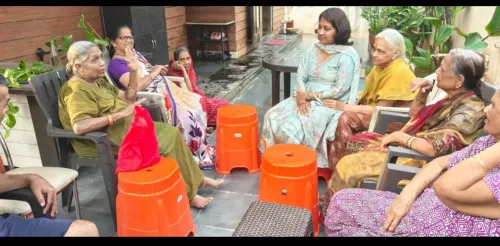
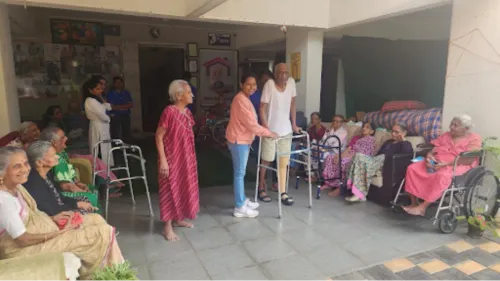
Communities create meaningful social engagement by matching activities and access support to each resident’s abilities, preferences and communication style. A resident using a wheelchair needs an accessible route and suitable seating, not a reason to miss peer interaction.
Planned activities work best in small groups with clear introductions, good lighting, low background noise and enough time to respond. Staff can seat a person with hearing loss near the speaker, offer hearing-support equipment and check understanding without drawing unwanted attention.
- Accessible transport or staff assistance for residents with limited mobility
- Quieter rooms and written or visual prompts for residents with hearing loss
- Short, familiar instructions for residents with cognitive impairment
- Picture cards, gestures or yes-or-no questions for residents with speech limitations
Dementia care should connect activities to the person’s life rather than fill a calendar with generic entertainment. Music, gardening, walking, folding clothes or a familiar household task can preserve purpose when they reflect past interests and remaining abilities.
One-to-one engagement prevents isolation when group participation becomes tiring or confusing. A staff member can share a conversation, accompany a walk or help the resident choose an activity, while respecting refusal and changing preferences.
Ask whether staff record communication preferences, distress triggers and consent in the care plan. A resident who declines a group may still want a visitor, quiet music or a brief personal conversation; offering that choice protects dignity as well as connection.
What should you inspect and ask before choosing a community?
A tour is useful only if you test operations, not décor. Ask for the current staff-to-resident coverage by shift, whether a registered nurse is present overnight, how doctor visits work, and whether fees include bathing, toileting, transfers, continence support, oxygen, hospital escorts and ambulance transport.
Request these records or written policies:
- Falls, pressure injuries, medication errors, unexplained weight loss, hospital transfers, complaints and call-bell response times, with personal details removed.
- The escalation policy: who responds to a night-time fall or sudden confusion, which hospital receives residents, who accompanies them, and how relatives are notified.
- Medication administration, night-check, wandering, fire evacuation and infection-control procedures.
- Care-plan reviews, including who attends, how often they occur, and how changes in mobility, cognition, nutrition or continence alter support.
- The dementia assessment form: communication style, pain signals, sleep, triggers, food preferences, continence, advance wishes and emergency contacts.
- Dining protocols showing who receives feeding supervision, modified textures, thickened fluids, adaptive utensils or extra time, plus how weight and fluid intake are monitored.
Compare the written offer with the resident’s actual needs:
| Care level | Verify before admission | Mismatch warning |
|---|---|---|
| Assisted living | Daily-task help and supervision | Night nursing or frequent transfers required |
| Nursing care | Registered nurse coverage and clinical monitoring | Hospital-level treatment is needed |
| Dementia care | Trained staff, secure routes and personalised plan | Wandering or distress is unmanaged |
| Hospital care | Emergency transfer arrangements and records handover | Residence is expected to manage acute deterioration |
For a Pune family, Swarnanagari Old Age Homes 9765119625 can be assessed by asking these same questions rather than relying on its service labels. Observe whether staff answer call bells promptly during your visit.
Related products
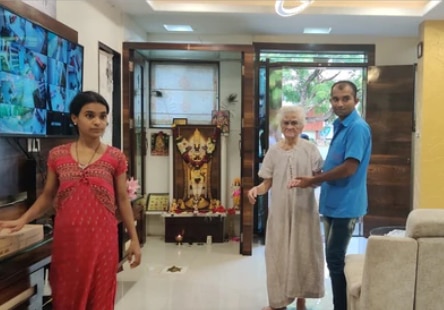 | Old Age Care Assisted living facilities offer supportive housing for older adults who are mostly independent and active but may need some help with daily tasks. View product → |
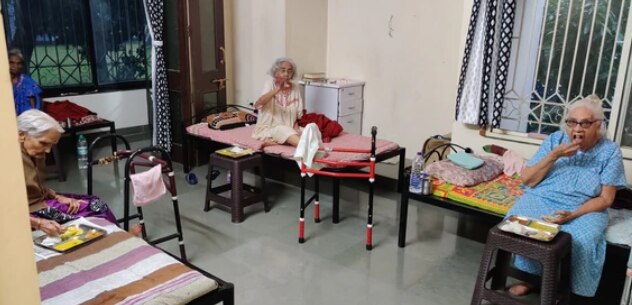 | Old Age Care Our retirement homes offer more than just a place to live—they provide a supportive environment that combines healthcare, psychological support, and... View product → |
Frequently asked questions
What creates physical comfort beyond a senior living room?
Comfort depends on clear walking routes, supportive chairs, accessible bathrooms, suitable lighting, comfortable temperatures and help with daily routines.
How is resident safety managed during ordinary moments?
Communities support safety through clear pathways, bathroom supports, supervised movement, medication routines, emergency procedures and staff awareness of changing needs.
How do you match a resident’s needs to the right level of care?
Compare the resident’s mobility, bathing, dressing, medication, nursing and cognitive support needs with the services and staffing available.
How do communities create meaningful social engagement for different abilities?
They offer varied activities, including conversation, music, games, exercise, creative work and smaller groups adapted to residents’ interests and abilities.
What should you inspect and ask before choosing a senior living community?
Inspect bedrooms, bathrooms, common areas and safety features, then ask about staffing, emergency response, care plans, medication support, activities and family communication.
Related products
 | Old Age Care Facilities within Charges: 24hrs Nursing 24hrs Attended Service Housekeeping and Laundry Breakfast, Tea, Lunch, High Tea, Snacks, Dinner... View product → |
 | Old Age Care Dementia is not a single, specific illness but a broad term used to describe a range of symptoms that affect memory, thinking, and social abilities... View product → |