
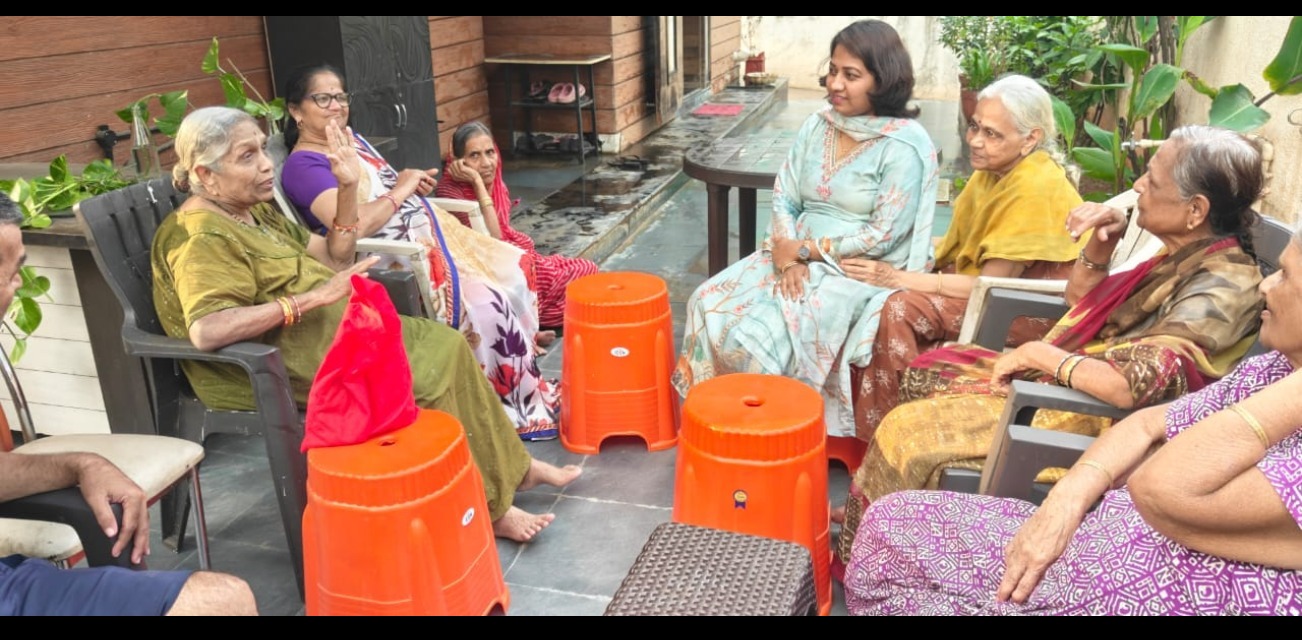
Choosing a retirement care home is a significant family decision because the facility may become an older person's long-term residence. Families therefore need to evaluate more than rooms, location and monthly fees.
The objective should be to determine whether the environment can support the senior's everyday needs while preserving comfort, dignity and family connection.
Define Non-Negotiable Requirements
Before contacting facilities, make a short list of essential needs.
For example, the senior may require an accessible bathroom, assistance with bathing, vegetarian meals, mobility support or regular medication reminders.
Separating essential requirements from optional preferences makes comparison easier.
Understand the Type of Resident the Home Supports
Ask what level of independence is expected from residents.
A retirement home designed mainly for independent seniors may not suit someone who needs substantial daily assistance. Conversely, a highly structured environment may provide more support than an independent senior actually requires.
The service model should match the resident.
Inspect the Facility Carefully
During a visit, evaluate the areas residents use every day.
Rooms should be comfortable and easy to navigate. Bathrooms should be practical for older adults. Common areas should offer opportunities for social interaction.
Cleanliness and maintenance should be visible throughout the facility rather than only in areas shown to visitors.
Ask Detailed Questions About Daily Care
Instead of asking whether 'care' is provided, ask what that means in practice.
Does it include bathing assistance? Mobility support? Housekeeping? Laundry? Meal support? Medication reminders?
Specific questions produce more useful answers.
Review Emergency Procedures
Families should understand what happens when a resident needs urgent assistance.
Ask how staff respond, how medical help is obtained and how relatives are contacted.
If the senior has ongoing health concerns, explain them before admission and confirm whether the facility's scope of support is suitable.
Consider Emotional Adjustment
Moving into a retirement care home can involve leaving a familiar house, neighbourhood and routine.
Families can make the transition easier by involving the senior in decisions, bringing familiar personal belongings and maintaining regular contact after admission.
A welcoming environment is important, but family relationships remain valuable.
Compare Long-Term Affordability
Residential care is an ongoing expense, so affordability should be considered over a realistic period rather than only for the first month.
Ask for clear information about what the regular fee includes and which services may involve additional charges.
Understanding this beforehand allows families to plan more confidently.
Choose Based on Fit Rather Than Claims
There is no single retirement care home that will suit every senior.
The best choice depends on the person's independence, mobility, lifestyle preferences, care requirements and family circumstances.
For families looking for long-term senior living in Pune, Swarnanagari Old Age Homes is one residential care option that can be evaluated through a personal visit and discussion of the prospective resident's requirements.
Before finalizing any retirement care home in Maharashtra, families should compare the environment with the senior's actual daily life. Ask practical questions, observe resident spaces and clarify responsibilities before admission.
A confident decision comes from knowing what the senior needs and verifying whether the chosen residence can reasonably provide that support. When those two elements align, residential senior living can offer a structured environment in which everyday assistance, social connection and personal dignity remain central.
Keywords