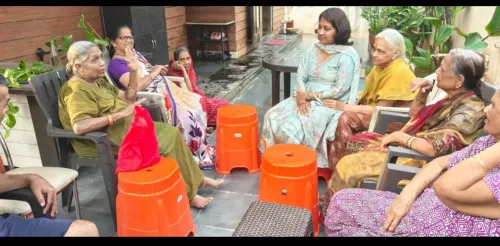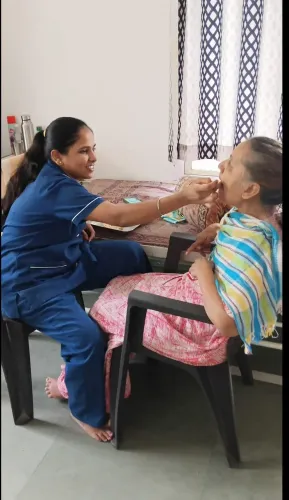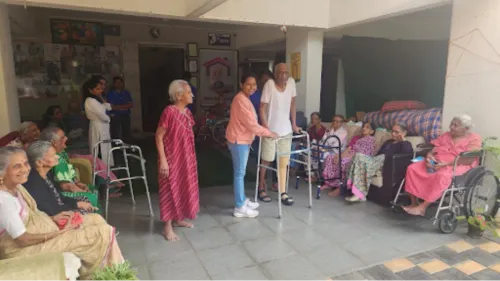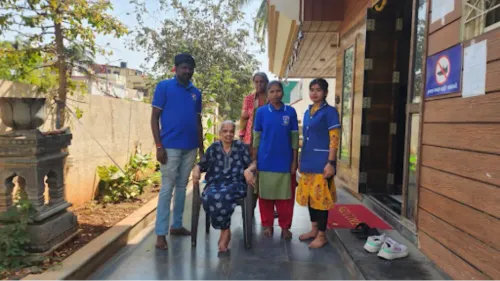
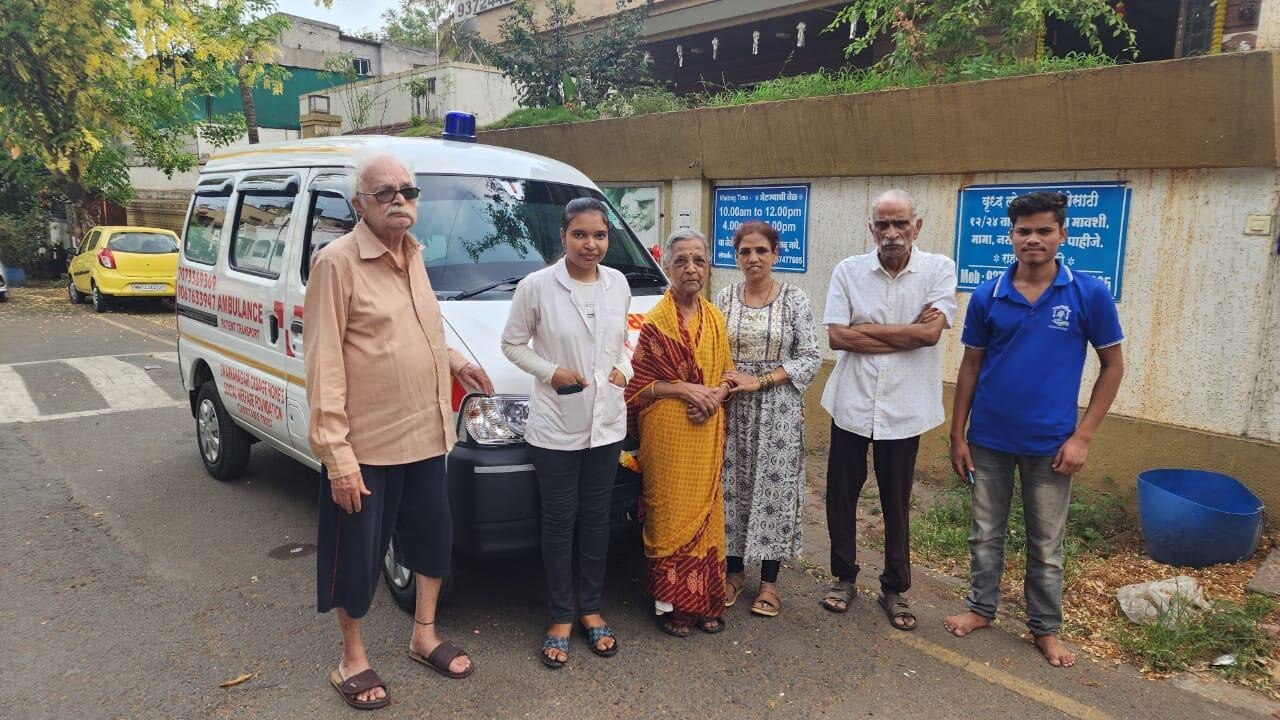
The right choice depends on what your parent needs at 7 a.m., during a fall, after a hospital discharge and at 2 a.m.—not on the label above the entrance. By the end, you will have a practical way to assess care needs, compare settings, question staff and verify whether a facility can safely meet those needs.
Key takeaways
- Write down diagnoses, medicines, risks and daily assistance needs before comparing facilities.
- Choose care settings based on medical support, not appearance or advertised amenities.
- Ask who is on duty overnight and what happens during a medical emergency.
- Request the care plan, contract, medication process and verifiable safety records in writing.
Assess Your Parent’s Needs Before You Compare Facilities
Record your parent’s current abilities and risks before you compare fees or facilities. A written elderly care assessment prevents a brochure from defining your ageing parents care needs. Note diagnoses, recent hospitalisations, medicines and doses, allergies, continence, sleep, mood, cognition, hearing, vision and the help required at different times of day.
Use this senior care checklist to build a factual baseline:
- Mobility: walking distance, transfers, stairs, walking aid, recent falls and the mobility support for seniors required.
- Personal care: bathing, dressing, toileting, continence products, shaving and oral care.
- Health tasks: injections, wound or catheter care, oxygen, physiotherapy, blood-glucose checks and medication supervision.
- Food and fluids: appetite, weight change, diabetes, swallowing difficulty, coughing during meals and feeding assistance.
- Safety and behaviour: wandering, confusion, aggression, nighttime waking, decision-making ability and emergency contacts.
- Social needs: loneliness, preferred language, religious or cultural routines, hobbies and acceptable levels of independence.
| Information to compare | Record at home | Ask the provider to confirm |
|---|---|---|
| Daily assistance | Tasks and time needed | Attendant availability and limits |
| Clinical care | Treatments and equipment | Nurse coverage, doctor access and exclusions |
| Supervision | Falls, wandering or night waking | Overnight observation and call-bell response |
| Eating | Diet, texture and feeding time | Texture-modified meals and swallowing assessment |
Carry the medicine list, prescriptions, discharge papers and contact details for the treating doctor. Ask for a written scope of service before a visit; “care” may mean attendants only, not registered nurses, emergency transfers or hospital-level treatment.
Match the Care Setting to the Level of Medical Support Required
The independent living vs assisted living decision depends on whether your parent needs only a safe community or hands-on help each day. Choose by capability and clinical risk, not labels such as “old-age home” or “nursing home.”
| Option | What it means | When it applies; when unsuitable |
|---|---|---|
| Independent living | Housing, meals and activities without personal-care staff | Suitable for an independent parent; unsuitable when bathing, toileting, medicines or transfers need supervision |
| Assisted living | Staff help with dressing, bathing, meals, mobility and routine medicines | Suitable for stable daily-support needs; unsuitable for unstable symptoms or complex nursing procedures |
| Home care for elderly parents | Caregiver or nurse visits, or live-in support, in the family home | Suitable when home is safe and needs are manageable there; unsuitable when constant clinical observation or a secure dementia setting is needed |
| Respite care for seniors | Temporary residential or in-home support while family caregivers rest or travel | Suitable for a planned short break; unsuitable as a substitute for permanent care or acute treatment |
| Memory care | Secured, dementia-focused living with supervision and structured routines | Suitable for wandering, night waking or repeated refusal of care; unsuitable when hospital treatment is required |
| Skilled nursing | 24-hour clinical care, rehabilitation, wound care or medication procedures | Suitable after illness or for complex stable needs; unsuitable for an emergency |
| Hospital-level care | Acute diagnosis, monitoring, oxygen, procedures and rapid medical intervention | Suitable for sudden deterioration; unsuitable as a long-term residential arrangement |
Obtain the facility’s written scope: night-shift qualifications, injections, catheter or wound care, oxygen, physiotherapy, dementia supervision and doctor access. “Doctor on call” is not a hospital; an attendant-only service is unsuitable for unstable medical needs.
Test Staffing, Night Coverage and Emergency Response During the Tour
Ask who is physically present at 2 a.m., not just who appears on the brochure. Request the staff count and elderly care staff qualifications for every shift, including weekends, holidays, leave cover and the person responsible for clinical escalation.
| Service claim | Question to ask | Evidence to request |
|---|---|---|
| 24-hour nursing care | Is a registered nurse on site overnight, or is a doctor merely on call? | Shift roster naming nurses and relief staff |
| Attendant support | How many attendants are awake, and who helps when two residents need toileting at once? | Current night-duty allocation |
| Night shift senior care | Who answers call bells, checks residents and records incidents between midnight and 6 a.m.? | Sample night observation or log |
| Emergency response in old age homes | What happens after a fall, chest pain or breathing difficulty, and how many minutes until assessment and transport? | Written escalation steps, ambulance arrangement and recent drill record |
| Medical procedures | Who gives injections, manages oxygen, or changes a wound dressing? | Staff credentials and documented scope of service |
Visit after dark or make an unannounced evening visit. Check whether corridors are lit, call bells work, lifts and oxygen equipment have backup power, and staff can describe the handover from the previous shift.
Ask to speak privately with a resident or relative. Delayed toileting, unanswered bells, frequent agency replacements and “the doctor comes when called” reveal a service that is not true 24-hour coverage. Ask what happens when the sole night nurse is already assisting another resident; a vague answer is a safety gap.
Check Dementia, Falls, Medication and Daily Clinical Care in Practice
Ask staff to show, not merely describe, how they would manage a difficult day. A dementia care facility must handle wandering, repeated questions, night waking, aggression, incontinence and refusal of care without routine sedation or physical restraint.
- Look for wandering prevention through clear bedroom and toilet cues, unobstructed walking paths, exit supervision and a secure outdoor area.
- Test fall prevention for elderly residents: non-slip floors, bright lighting, grab rails, suitably high toilets, accessible call bells and footwear checks. Ask to see a documented post-fall assessment and how repeated falls change the care plan.
- Ask who helps with bathing, toileting, dressing, continence care and feeding, including residents who choke, refuse food or need a special diet.
- Examine medication management for seniors. Confirm medicine reconciliation at admission and after hospital discharge, dose and omission records, separation of look-alike medicines, and monitoring of insulin, anticoagulants, opioids and sedatives.
- Confirm whether oxygen is available, who checks cylinders or concentrators, and whether staff can respond to breathing difficulty.
- Request the emergency-transfer procedure for a serious fall, stroke symptoms, low blood sugar, chest pain or acute confusion. It should name the hospital, ambulance caller, accompanying staff member, family notification process and records travelling with the resident.
Post-hospital recovery also needs a written plan covering wound or catheter care, physiotherapy, altered medicines, follow-up appointments and changing mobility. A room stocked with medicines is not supervised care; attendants alone are unsuitable for unstable clinical needs.
Demand a Written Care Plan, Clear Contract and Verifiable Safety Records
Do not pay a deposit until the facility gives you documents, not promises. Match the written offer to your parent’s needs, and speak privately with current residents or their families about missed care, unexplained charges and complaint handling.
1. Request the elderly care contract and check the base monthly fee against all old age home fees and charges. It should separately state costs for higher-dependency care, nursing procedures, medicines, incontinence supplies, physiotherapy, escorts, ambulance transfers, hospital stays, special diets, room changes, deposits, refunds, annual increases, temporary absence, notice and discharge.
2. Ask for a senior care plan based on admission findings: diagnoses, medicines, allergies, mobility, continence, falls, nutrition, cognition, mood, sleep, hearing and vision. It should name review dates and explain who may consent to treatment, manage finances, receive updates and approve hospital transfer.
3. Inspect applicable municipal permissions, fire safety for care homes records, lift and electrical-maintenance logs, food-safety arrangements, biomedical-waste procedures, staff credentials and the written grievance process. Ask to see the latest fire drill record and a documented post-fall investigation.
4. Confirm in writing whether registered nurses are present overnight and whether the facility provides catheter care, wound care, injections, oxygen, dementia supervision and end-of-life care. An attendant and an on-call doctor do not equal nursing coverage.
5. Ask to speak away from staff with two residents or relatives, then compare their accounts with records of medication reconciliation, dose omissions and hospital-discharge reviews.
Use the same checklist with Swarnanagari Old Age Homes 9765119625; a transparent provider should explain each document and charge before admission.
Related products
 | Old Age Care Assisted living facilities offer supportive housing for older adults who are mostly independent and active but may need some help with daily tasks. View product → |
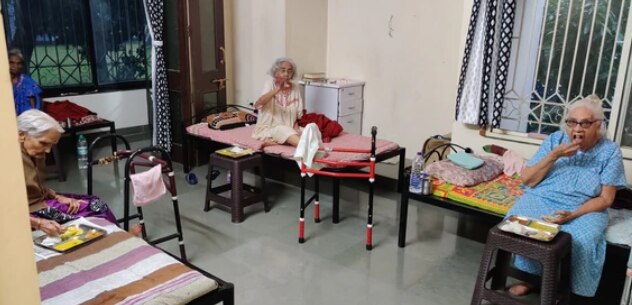 | Old Age Care Our retirement homes offer more than just a place to live—they provide a supportive environment that combines healthcare, psychological support, and... View product → |
Frequently asked questions
How should families assess an ageing parent’s care needs before comparing facilities?
Record diagnoses, recent hospitalisations, medicines and doses, allergies, continence, sleep, mood, cognition, hearing, vision and the help needed at different times of day.
How do you match an elderly care setting to medical needs?
Compare the parent’s required nursing, dementia, geriatric and emergency support with the services available at each care setting.
What should families ask about staffing and night-time emergency response?
Ask how many staff members are present during the day and night, who responds to emergencies, and how staff contact doctors, hospitals and family members.
Which safety and clinical records should families request?
Request a written care plan, clear contract, medication procedures, fall-prevention practices, dementia protocols and verifiable safety records.
Related products
 | Old Age Care Facilities within Charges: 24hrs Nursing 24hrs Attended Service Housekeeping and Laundry Breakfast, Tea, Lunch, High Tea, Snacks, Dinner... View product → |
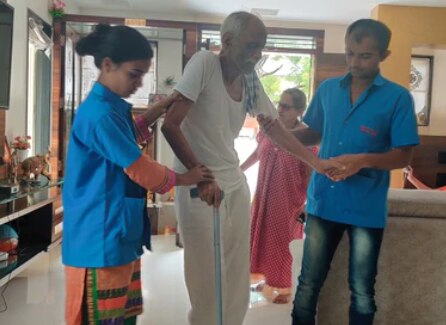 | Old Age Care Dementia is not a single, specific illness but a broad term used to describe a range of symptoms that affect memory, thinking, and social abilities... View product → |