A tour that focuses only on bedrooms, meals and television can miss the systems that protect a resident during a fall, medical emergency, power cut or episode of confusion. Use this checklist to inspect the building, verify clinical coverage, test dementia safeguards and compare the full cost of care before choosing a home.
Key takeaways
- Test call bells from the bed and bathroom, then time the response.
- Ask who provides round-the-clock care and what happens during a medical emergency.
- Check dementia safeguards, including secure exits, identification and respectful supervision.
- Request the written care plan, medicine process and complete monthly cost breakdown.
Inspect the Building From the Resident’s Point of View
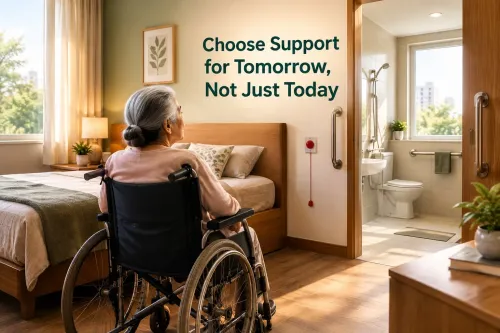
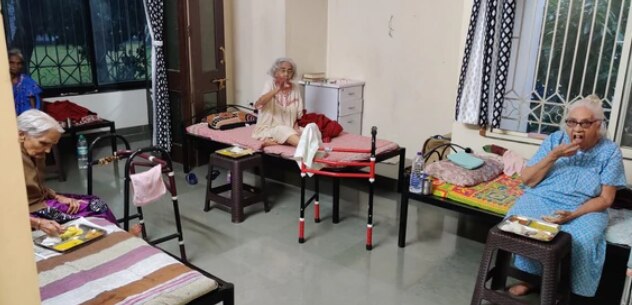
A safe bedroom lets the resident get out of bed, reach the bathroom and summon help without relying on another person. Test the call bell from the bed and bathroom, then time the response. A button hidden behind a pillow or a response routed only to an unattended phone is not an effective safety system.
Use this room inspection checklist:
- Bedroom: adjustable bed at a safe height, clear wheelchair route, stable chair with arms, reachable call bell and night light.
- Bathroom: grab bars beside the toilet and in the shower, non-slip flooring, level entry, shower seat and outward-opening door.
- Shared areas: continuous handrails, unobstructed corridors, adequate daytime and night lighting, visible lift access and enough turning space for a wheelchair.
- Emergency access: unlocked or staff-accessible exits, clear evacuation routes, illuminated exit signs and backup power for lifts, lights and call systems.
Ask the resident to walk the actual route, not a staged model room. Check whether floor mats slide, doors are heavy and chairs are low or unstable; each creates a fall risk. Staff should explain how footwear, vision, medicines, strength and balance are reviewed, because a warning sign alone prevents no fall.
Ask who answers the call bell at night, whether staff are physically present on each floor, and what happens if the resident cannot reach the button. Senior citizen home facilities are suitable only when the design supports independent movement and reliable help.
Verify Who Provides Care and What Happens in an Emergency
Qualified clinical help is physically available only if a registered nurse is on site for every shift, including overnight, not merely reachable by telephone.
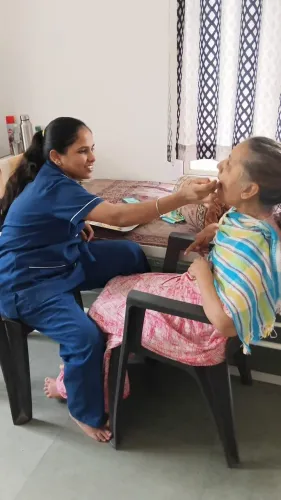
Ask to see the duty roster and the nurse-to-resident ratio on each floor; an attendant can assist with bathing, meals and transfers, but does not replace a nurse trained to assess symptoms, administer medicines or manage wounds.
1. Ask who examines a resident after a fall, sudden breathlessness, fever, delirium or missed medicines. The written escalation process should name the first responder, assessment steps, vital-sign checks, treatment authority and the time limit for calling a doctor.
2. Confirm the doctor arrangement. A visiting doctor attends at stated intervals; a geriatrician brings specialist assessment for frailty, dementia, multiple conditions and changing care needs. Ask how either is reached overnight and who can authorise treatment.
3. Request the emergency-transfer protocol. It should identify the receiving hospital, ambulance number or provider, expected response time, accompanying staff member, family-consent procedure and transfer of medicines, clinical notes and identity documents. “We use a nearby hospital” is not a protocol.
4. Ask whether staff can provide medication administration, oxygen, wound care, physiotherapy and monitoring until transfer. Confirm what happens if the resident needs more care than the home can provide.
Get written prices for higher nursing levels, ambulance transfers, oxygen, hospitalisation and doctor visits. Also request the home’s Maharashtra registration details and current fire-safety and biomedical-waste records.
Check Dementia Safeguards Without Sacrificing Dignity
Secured exits should prevent unsafe departure without turning the home into a locked ward. Ask to see unobtrusive door and lift alarms, shaded walking space, visible toilets, simple signs, good lighting and familiar landmarks that let residents move independently.
Ask how dementia care staff identify residents, notice a missing person and act within minutes. A written elopement response plan should name who searches indoors and outdoors, who calls family or emergency services, how staff record the event and how they prevent a repeat.
Check these points during your visit:
- Test whether wandering alerts reach staff who are physically nearby, rather than only an off-site phone.
- Ask staff to describe their response to shouting, pacing, refusal or fear. Look for reassurance, reduced noise, a familiar person and time to settle before any restraint.
- Request the written restraint policy. Bed rails, belts, locked rooms and sedating medicines need a clinical reason, consent or lawful authorisation, monitoring and a review date.
- Confirm residents choose waking and bathing times, clothing, food, visitors, religious practice, activities and outdoor access.
- Check whether staff knock, protect bathroom privacy and offer private spaces instead of supervising every moment.
- Ask how the home preserves familiar routines after a hospital stay or room change, and whether a resident can decline an activity.
A safe design still fails if staff use alarms as a substitute for attention. Ask what happens after repeated wandering or agitation: review pain, infection, dehydration, medication reactions and delirium before labelling the behaviour as “just dementia.”
Examine Medicines, Meals, Hygiene and the Written Care Plan
Ask to see how the home turns medical information into daily actions. A resident with diabetes, swallowing difficulty, weak mobility or several prescriptions needs more than a standard routine; the wrong meal texture, missed dose or rushed transfer can cause harm.
Ask the manager to show you:
- The medication administration record, with each medicine’s dose, timing, prescriber and signature after administration. Ask how staff handle missed doses, insulin, anticoagulants, controlled drugs, hospital discharge changes and new symptoms.
- A sample weekly menu, including therapeutic diets and texture-modified meals. Ask how staff record weight, appetite, fluid intake and choking concerns, and when they arrange a dietitian or speech-and-swallowing assessment.
- The feeding and transfer procedure for residents who need assistance. Staff should explain how they match help to the person’s mobility, cognition and swallowing assessment.
- Hand-hygiene facilities at points of care, cleaning of shared equipment and staff vaccination and sick-leave expectations. These are practical signs of infection control.
- The written outbreak plan for respiratory, gastrointestinal and skin infections, including isolation arrangements, family communication and continued movement for residents who do not need isolation.
- The biomedical-waste procedure: ask where contaminated dressings, sharps and other clinical waste are segregated, stored and collected.
Request the written care plan before admission. It should record diagnoses, continence, cognition, communication, nutrition, medicines, emergency contacts, hospital preferences, applicable resuscitation or end-of-life wishes and baseline abilities. Ask when staff review it with the resident and family, and how changes are documented rather than dismissed as normal ageing.
Compare Resilience, Compliance and the Real Monthly Cost
A low advertised fee proves little until you know what happens after a fall, infection, or dementia-related change. Compare senior living costs using a written schedule that states nursing tiers, dementia supervision, diapers, physiotherapy, doctor visits, ambulance transfers, oxygen, special diets, hospitalisation, room changes, deposits, annual increases and notice-period refunds.
Ask these questions before paying:
- Is the facility’s Maharashtra nursing-home registration current, and does its approval match the nursing or clinical services provided?
- Can you see current fire-safety documentation, building-occupancy approval and biomedical-waste disposal records?
- Which care-level rule triggers a fee increase, room transfer or discharge? Who assesses the change, and how much notice do you receive?
- Do residents retain choices about bathing time, visitors, religious practice, food, outdoor access and privacy as supervision increases?
| Check | Evidence to request | Warning sign |
|---|---|---|
| Backup power | Generator or UPS coverage for lifts, nurse-call systems, oxygen equipment, medicine refrigerators, essential lighting and water pumps | Backup runs only reception lights |
| Infection resilience | Outbreak plan, isolation space, cleaning records and staff sick-leave rules | No written response for respiratory or gastrointestinal infection |
| Total cost | Signed tariff sheet covering every extra charge and refund rule | Staff describe charges verbally |
Swarnanagari Old Age Homes 9765119625 should be compared using these same documents and escalation rules, not its base package alone. A suitable home can explain how it will remain safe, affordable and respectful when the resident needs more help.
Related products
 | Old Age Care Assisted living facilities offer supportive housing for older adults who are mostly independent and active but may need some help with daily tasks. View product → |
 | Old Age Care Our retirement homes offer more than just a place to live—they provide a supportive environment that combines healthcare, psychological support, and... View product → |
Frequently asked questions
What should families test in a senior citizen home bedroom?
Check that the resident can get out of bed, reach the bathroom and summon help. Test the call bell from both the bed and bathroom, then time the response.
What should you ask about emergency care?
Ask who is present during each shift, who calls family and emergency services, which hospital receives residents, and how medical incidents are documented.
How can a family assess dementia safeguards?
Check controlled exits, visitor procedures, resident identification, night supervision and staff training. Safeguards should reduce wandering risks without treating residents disrespectfully.
Which care documents and costs should families compare?
Request the written care plan, medicine administration process, meal schedule, hygiene arrangements, emergency procedures and a monthly cost breakdown that lists extra charges.
Related product
 | Old Age Care Facilities within Charges: 24hrs Nursing 24hrs Attended Service Housekeeping and Laundry Breakfast, Tea, Lunch, High Tea, Snacks, Dinner... View product → |