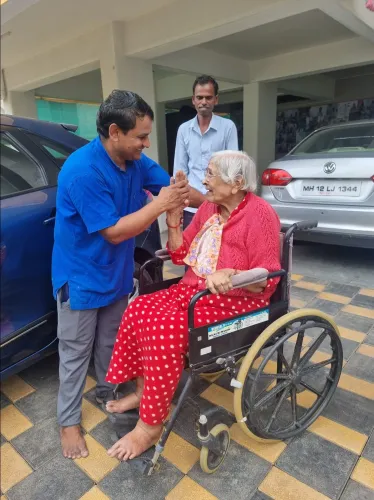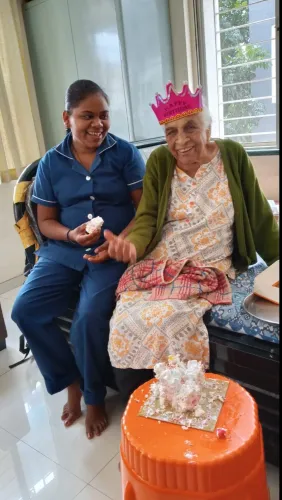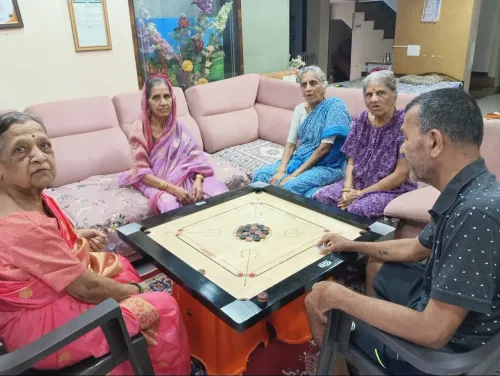
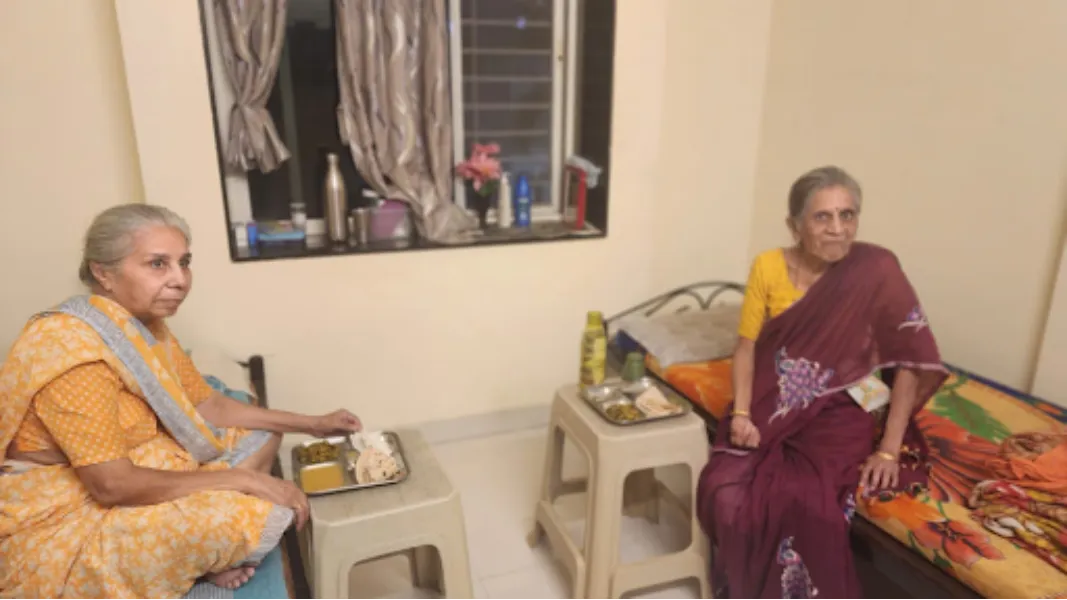
Senior housing options are not all designed for the same type of resident. Some older adults remain active and independent but prefer a secure community, while others need regular assistance with mobility, meals, personal hygiene or medication.
Understanding these differences can help families choose accommodation based on actual needs rather than selecting a facility simply because it is described as senior living.
Independent Senior Living
Independent senior living is generally suitable for older adults who can manage most everyday activities without regular personal assistance.
Residents may prefer this arrangement because they want freedom from household maintenance, easier access to meals and opportunities to interact with people of a similar age.
It can be appropriate for seniors who are physically independent but no longer want the responsibilities or isolation associated with living alone.
Assisted Residential Living
Some seniors can make their own decisions and participate actively in daily life but require help with selected activities.
They may need support with:
- Bathing
- Dressing
- Walking
- Using the bathroom safely
- Meal preparation
- Medication routines
- Housekeeping
An assisted residential environment provides a balance between independence and practical support.
Long-Term Residential Care
When care requirements become more consistent, families may consider long-term residential arrangements.
This type of senior housing can be relevant for individuals who need ongoing supervision or assistance throughout the day. The objective is to create a stable environment where everyday requirements can be managed consistently.
Families should ask whether the facility can adapt if the resident's mobility or support requirements change over time.
Which Option Is Suitable?
A useful starting point is to evaluate the senior's ability to complete activities of daily living.
Consider whether the person can:
- Get out of bed independently.
- Walk safely without frequent falls.
- Bathe and dress without assistance.
- Prepare and eat regular meals.
- Remember medication schedules.
- Use the bathroom safely.
- Manage household tasks.
- Seek help during an emergency.
The answers can indicate the approximate level of assistance required.
Consider Emotional Needs Too
Housing decisions should not be based only on physical capability.
An independent senior who feels severely isolated may benefit from a community environment even without significant physical care requirements. Conversely, someone who values privacy may need a setting where personal space remains available despite receiving assistance.
This is particularly relevant in cities such as Pune, where working families may live considerable distances from aging parents because of professional commitments.
Discuss the Move With the Senior
Whenever possible, involve the older adult in the decision.
Show them the proposed facility, discuss accommodation preferences and explain why the family is considering residential senior living. Moving without meaningful discussion can create unnecessary anxiety.
A gradual transition may help some seniors adjust more comfortably.
Swarnanagari Old Age Homes provides a residential elderly care option for families exploring senior housing options in Pune. Families should assess the available environment according to the prospective resident's independence, daily routine and level of assistance required.
There is no universally correct senior housing model. The most appropriate option is one that matches the individual's present needs while offering enough flexibility to accommodate reasonable changes in care requirements later.
Keywords