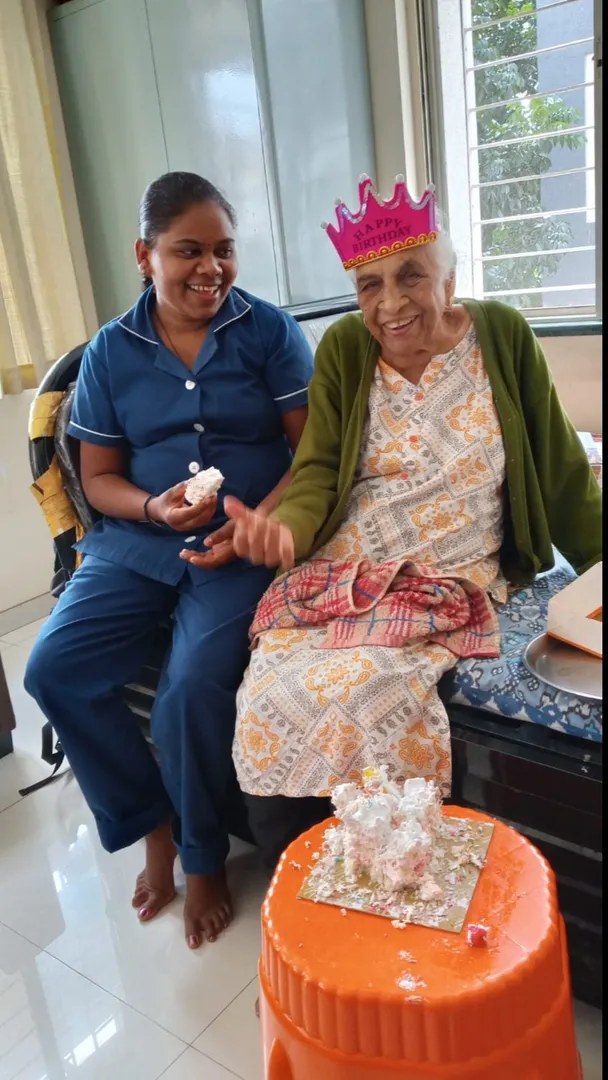
Elderly care services are designed to assist older adults with activities that may gradually become difficult because of reduced mobility, declining strength or other age-related changes. The amount of assistance required varies significantly from one senior to another.
Understanding the different forms of support can help families decide what type of residential care may be appropriate.
Assistance With Daily Activities
Activities of daily living are basic tasks most people perform routinely.
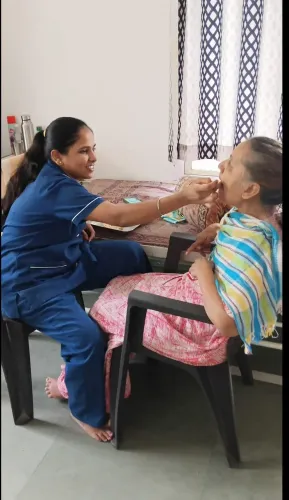
For seniors, these may include bathing, dressing, grooming, eating, walking and using the bathroom. When these activities become difficult, appropriate assistance can help the person continue their routine more safely.
The level of support should reflect the resident's actual ability rather than automatically taking over tasks they can still perform independently.
Meal Support
Older adults may struggle to prepare meals because of fatigue, reduced mobility or difficulty managing household work.
Residential elderly care generally removes the burden of grocery shopping and everyday cooking. Regular meal schedules can also create more structure.
Families should communicate any known dietary instructions to the care provider and discuss how individual needs are managed.
Medication Assistance
Managing several medicines can become confusing, particularly when timings differ.
Depending on the facility's scope of service, medication reminders or supervision may be available. Families should understand exactly what assistance is offered and what requires involvement from a doctor, nurse or family member.
Medication changes should continue to be handled according to appropriate medical advice.
Mobility Assistance
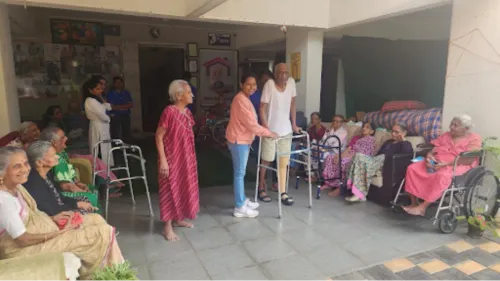
Walking may become more difficult with age because of weakness, joint problems or balance concerns.
Some residents may require assistance while moving around the facility or transferring between a bed and chair. Appropriate support can reduce avoidable risks while encouraging reasonable independence.
Personal Hygiene
Regular bathing, grooming and clean clothing contribute to comfort and dignity.
Sensitive personal care should always be provided respectfully. Families evaluating elderly care services should observe how staff communicate with residents and whether assistance appears patient and considerate.
Social Support
Care should not be understood only as physical assistance.
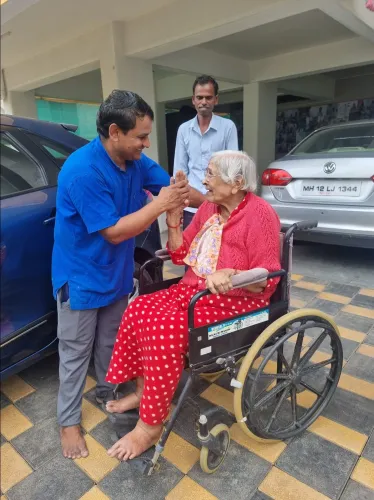
A senior may need companionship and meaningful social interaction, particularly after losing a spouse or moving away from a familiar neighbourhood.
Residential communities can create opportunities for conversation, group activities and shared meals that may be difficult to maintain when someone lives alone.
Coordination During Health Concerns
Residential care does not replace medical treatment. However, an organized care environment should have a clear process for responding when a resident becomes unwell.
Families should understand how medical consultations are coordinated, what emergency procedures exist and who communicates health concerns to relatives.
For families in Pune and across Maharashtra evaluating elderly care services, these practical questions can help distinguish between basic accommodation and a more supportive senior living environment.
Swarnanagari Old Age Homes offers residential care for older adults in Pune. Before choosing any facility, families should discuss the senior's mobility, routine, medication, dietary needs and degree of personal assistance required.
Effective elderly care is rarely about doing everything for a senior. It is about providing appropriate help where necessary while preserving independence, personal choice and dignity wherever possible.
Keywords